Good-quality modern paint protection film is made to stay clear for years, but PPF can still discolour. Older and low-grade films can yellow as the material itself breaks down under UV, while quality films that look yellow are more often stained by road grime, insect residue or harsh chemicals. Staining can often be cleaned off; yellowed film needs replacing.
Yellowing is one of the most common worries people have before fitting PPF, usually because they’ve seen an older car with a tired, tea-coloured bonnet. Knowing what causes it makes it much easier to avoid.
Why did older PPF go yellow?
Paint protection film has changed a great deal since it first appeared on road cars. Many early films were made from materials that simply weren’t stable in strong sunlight. Over a few years, UV broke down the film and its adhesive, and the result was a yellow or amber tint, often with cracking at the edges.
Most quality films today are made from thermoplastic polyurethane (TPU) formulated to resist UV, usually with a clear protective topcoat over the surface. That combination is the main reason modern films hold their clarity far better than the ones that gave PPF a bad name.
What makes modern PPF look yellow?
When a newer film looks discoloured, the film itself is often fine and the problem is sitting on or in the top layer. Here’s how to tell the common causes apart:
| Cause | What you’ll see | Usually fixable? |
|---|---|---|
| Road grime and exhaust film | A dull, brownish or yellow cast, worst low on the bumper | Yes, with a thorough wash and decontamination |
| Insect and droppings residue | Spotty marks on the leading edges and mirrors | Often, if removed early |
| Harsh chemicals or solvents | Patchy discolouration or hazing where a product was used | Sometimes not |
| Low-grade film breaking down | Even yellowing across the panel, sometimes with cracks or lifting edges | No, the film needs replacing |
| Adhesive discolouring | A yellow tint that sits under the surface and won’t wash off | No, the film needs replacing |
Why do white cars show it first?
On white, silver and other pale colours, a small shift in tone is easy to spot. It’s most obvious where film meets bare paint, such as the line across a partially covered bonnet, because the unprotected paint gives you something to compare against. On dark colours the same discolouration can go unnoticed for years.
The reverse can also happen. Paint under film is shielded from the sun, so when an old film comes off, the protected area sometimes looks brighter than the panels around it.
How do Perth conditions affect PPF?
Perth is hard on any exterior surface. Strong UV all year, long summer heatwaves and cars parked outside every day all add up. A few local factors are worth keeping in mind:
- Summer heat bakes insect residue and droppings onto the film’s surface within days
- Red dust and fine sand hold grime against the film if the car isn’t washed often
- Freeway and highway driving builds up a grey-brown traffic film on the front end
- Bore water from reticulation leaves mineral marks that can dull the finish
How do you clean discoloured PPF?
Before assuming the film has failed, give it a proper clean. Work on a cool panel out of direct sun:
- Rinse thoroughly to lift loose grit
- Wash with a pH-neutral shampoo and a soft microfibre mitt
- Soften bug residue with a remover labelled safe for PPF, then wipe gently
- Use a fallout remover if there are orange specks, as these are often iron deposits
- Dry with a clean microfibre towel and look again in natural light
Avoid solvent-based cleaners, cutting compounds, melamine sponges and anything abrasive, as these can damage the topcoat and make staining worse. If the yellow is even across the panel and doesn’t change after cleaning, it’s in the film or adhesive, not on top of it.
When does the film need replacing?
Replacement is the answer when cleaning makes no difference, or when you see any of these:
- Yellowing that is uniform and sits under the surface
- Cracking, crazing or a brittle feel
- Edges lifting or collecting dirt
- A cloudy look that stays when the film is wet
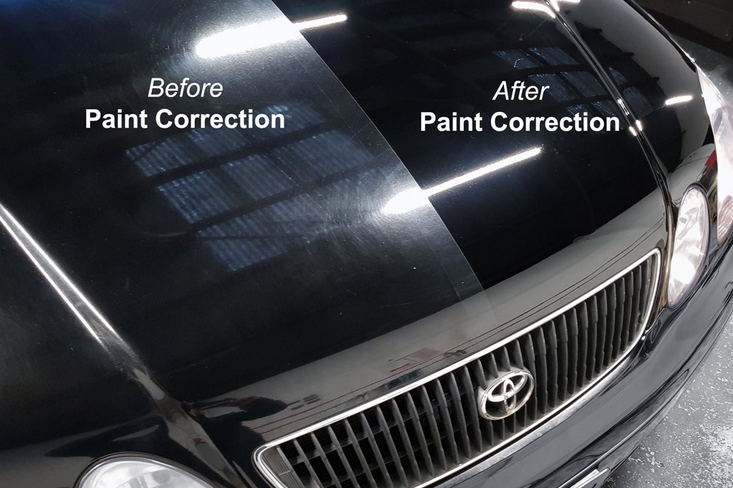
Old film should be removed carefully with gentle heat so the adhesive releases cleanly. If you’re worried about what’s underneath, our article on whether PPF damages paint explains what happens when film comes off. Once it’s off, light defects in the clear coat can be addressed with paint correction before new film goes on.
How do you keep PPF clear for longer?
Most of what keeps film clear is simple routine care:
- Wash regularly by hand with a pH-neutral shampoo
- Remove bugs, droppings and sap promptly rather than leaving them for the weekend
- Avoid automatic car washes and strong degreasers
- Park undercover or in shade when you can
- Consider a ceramic coating over the film, which makes the surface slicker and harder for grime to stick to
Starting with a quality film and careful installation matters too. Trident installs Terminax paint protection film, including full-body and matte PPF.
Frequently asked questions
Does matte PPF go yellow?
The same causes apply to matte film. Its textured surface can hold grime, so wash it regularly with matte-safe products and never polish it.
Can yellow PPF be polished out?
Gentle cleaning can lift some surface staining from the topcoat, but polishing can’t reverse yellowing inside the film. Aggressive polishing will damage the film.
Will yellowed PPF damage the paint underneath?
The discolouration itself doesn’t harm the paint. Very old, brittle film can be harder to remove, though, so it’s better replaced sooner rather than later.
How long does PPF stay clear?
It depends on the film, how much sun the car sees and how it’s cared for. Quality films are made to stay clear for many years with regular washing.
Talk to us about PPF
To discuss film for your car, visit 45 Berriman Drive, Wangara or Unit 6/1780 Albany Highway, Kenwick, or call 0482 689 885. Workshop hours are Monday to Friday 8am-5pm and Saturday 8am-2pm.