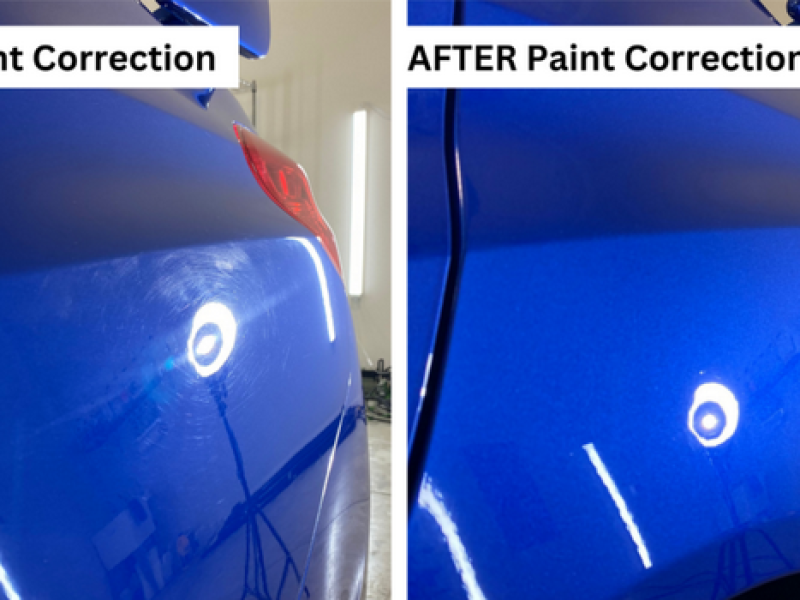
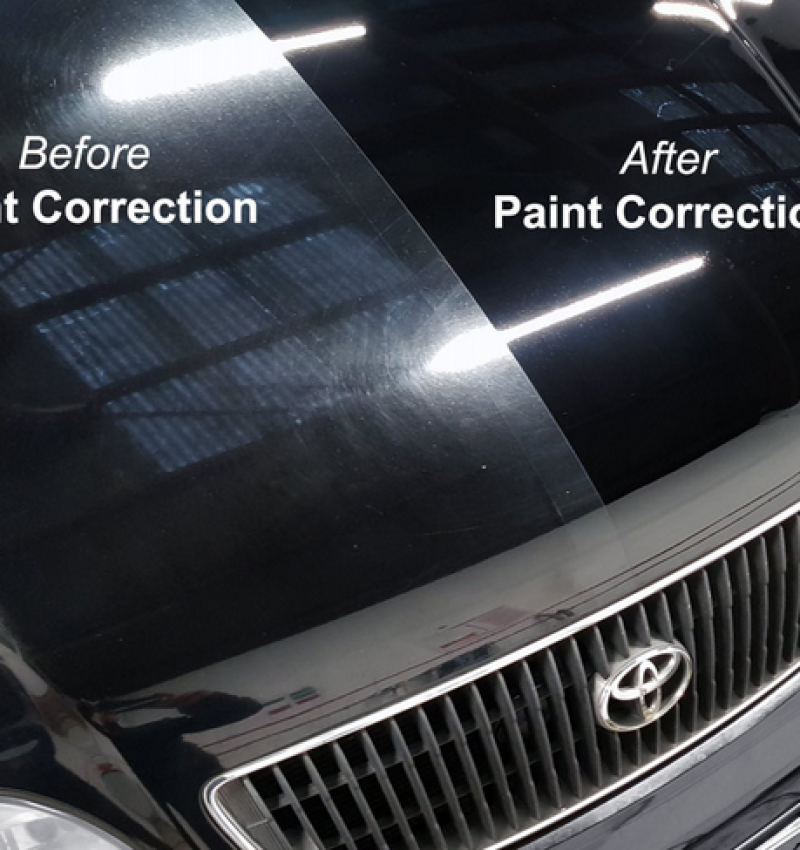
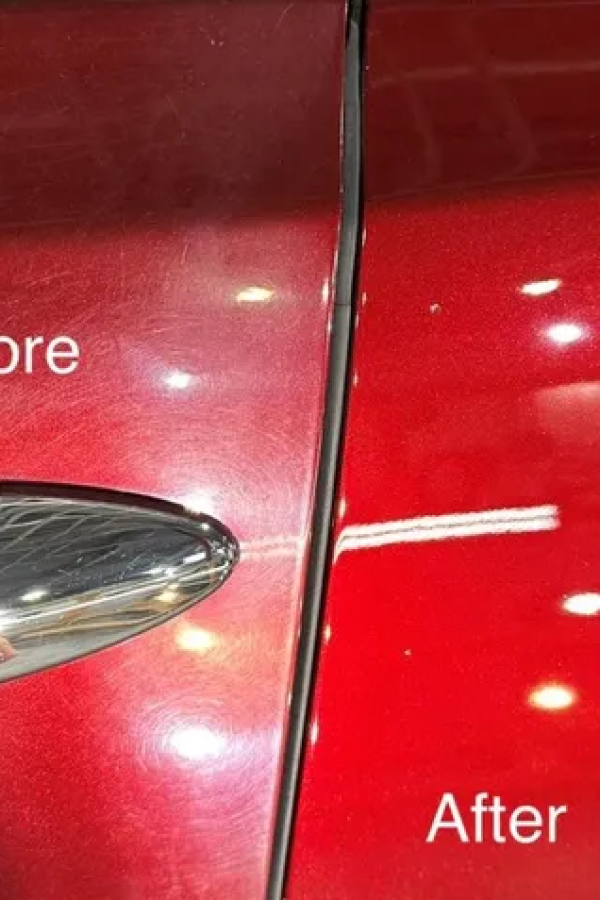
Purpose: Removes deep scratches, oxidation, and severe swirl marks.
Process:
Uses a coarse/aggressive compound and a wool pad or heavy-cutting foam pad.
Requires a rotary polisher or high-speed DA polisher for maximum correction.
May leave slight haze or micromarring, which is refined in later stages.
Purpose: Smooths out haze from cutting and removes moderate defects.
Uses a medium/fine polish and a softer foam pad (e.g., orange or white).
Performed with a DA polisher for a finer finish.
Enhances gloss and prepares the surface for final refinement.
Purpose: Eliminates any remaining micro-marring and maximizes gloss before protection.
Uses an ultra-fine finishing polish and a soft foam pad (black or blue).
Often done with a low-speed DA polisher or by hand for a mirror-like finish.
Ensures the surface is perfectly smooth for ceramic coating, wax, or sealant application.
This method is ideal for show cars, ceramic coating prep, or heavily oxidised paint. For daily drivers, a 2-stage (cut & polish) may suffice.