Yes, with WA-legal tint most drivers see out at night without trouble. The front side windows must let through at least 35% of visible light, which keeps your view of mirrors, kerbs and pedestrians workable. Problems usually come from illegally dark film, old hazy tint, dirty glass or dim headlights rather than legal tint itself.
It’s one of the most common hesitations before booking tint, and it’s a fair one. Perth roads are dark once you leave the main arterials, and reversing out of a driveway in Joondalup or a car park in Cannington at 9pm is very different from doing it at noon. Here’s what actually changes after dark and how to keep a clear view.
How does window tint affect what you see at night?
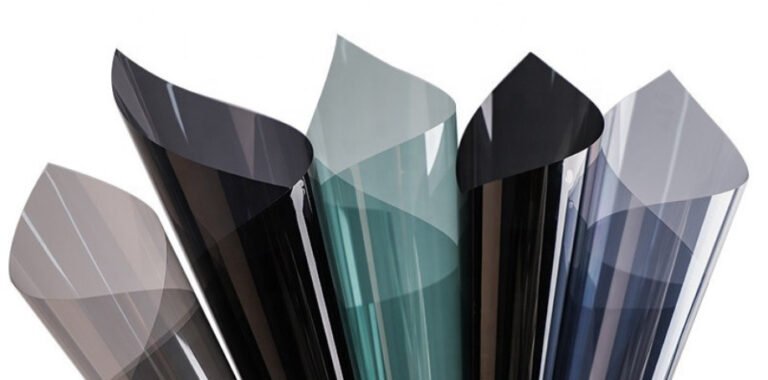
Every film is rated by its visible light transmission (VLT): the percentage of visible light that passes through the glass and film together. A 35% film lets through roughly a third of the light. In bright sun your eyes barely notice, because there is far more light than you need. At night there is much less light to start with, so any reduction is more noticeable.
Your eyes adapt well, though. Street lighting, headlights from other cars and your own headlights all shine on what you’re looking at, and the tint only reduces the light coming back through the glass. With a legal shade the difference is mostly felt in a few specific situations rather than all the time.
Where you’ll notice it most
- **Reversing on unlit streets or driveways**, when you turn to look over your shoulder through the rear side windows
- **Checking your side mirrors**, because you look at them through the front side windows
- **Spotting pedestrians in dark clothing** at poorly lit crossings
- **Driving in heavy rain**, when water on the outside of the glass already scatters light
Which windows matter most after dark?
Not all glass is equal. The front side windows do the most work at night because they sit between you and your mirrors, and between you and anyone stepping off a kerb. That’s a big part of why WA law sets a lighter limit for them.
| Window | WA minimum light transmission | Night driving impact |
|---|---|---|
| Windscreen | Tint allowed in the top band only | No effect on your forward view below the band |
| Front side windows | 35% | The most noticeable; used for mirrors and side checks |
| Rear side windows | 20% (with exterior mirrors on both sides) | Mainly noticed when reversing or changing lanes |
| Rear windscreen | 20% (with exterior mirrors on both sides) | Noticed through the rear-view mirror |
These limits come from the WA Department of Transport’s window tinting guidelines, which also cap reflectance at 10%. The 20% figure for the rear applies only when the vehicle has exterior mirrors on both sides. Our page on window tinting laws in Australia explains how the rules differ around the country.
Why some tinted cars are hard to see out of
When someone says they can’t see out of their tinted car at night, one of these is usually behind it.
Film that’s darker than the law allows
Factory glass isn’t perfectly clear, so the reading that counts is the combined figure of glass plus film. A film that looks legal on paper can measure darker once it’s on the car, especially over factory privacy glass. Very dark front windows are the biggest single cause of poor night vision. If you’re not sure about your own car, our guide to checking whether your window tint is legal in WA covers the warning signs.
Old film that has gone hazy
Ageing tint can turn milky, purple or bubbled. Even if the shade was legal when fitted, haze scatters headlight glare and makes everything look softer. Replacing tired film often makes a bigger difference to night vision than people expect.
Dirty glass on the inside
A thin film of grime builds up on the inside of the glass from air-conditioning, vinyl off-gassing and fingerprints. At night it catches oncoming headlights and creates glare and streaks. Clean tinted glass with an ammonia-free cleaner and a soft microfibre cloth.
Dim or yellowed headlights
Your own headlights light up what you see through every window. Cloudy or yellowed lenses cut that light, and tint then gets the blame. Headlight restoration removes yellowing, haze and oxidation and can restore up to 90% of light output, although cracked or badly damaged lenses need replacing.
Does ceramic tint help with night visibility?
Ceramic tint doesn’t make glass brighter at night, but it changes the trade-off when you choose a shade. Older dyed films relied mostly on darkness to reduce heat, so going darker was the only way to get a cooler car. Ceramic films block infrared heat using nano-ceramic particles, so a lighter legal shade can still keep the cabin noticeably cooler.
Trident fits Rayno Phantom nano carbon ceramic film in S5, S7 and S9 grades, with up to 99.9% UV rejection. Phantom S9 offers infrared rejection of up to 93%. The films are dye-free and metal-free. Whatever brand you choose, a film with low interior reflectance also helps avoid distracting reflections of dashboard lights on the side glass at night. You can read more on the ceramic tint page.
Tips for a clear view after dark
- Stay within the legal shade for each window rather than going as dark as possible.
- If night driving is a big part of your week, consider a lighter legal front shade and use ceramic film for heat control.
- Keep the inside of the glass clean with an ammonia-free product.
- Adjust your side mirrors properly so you rely less on looking over your shoulder.
- Use your reversing camera as well as your windows when backing out at night.
- Replace tint that has gone hazy, bubbled or purple.
- Keep your headlights clear and correctly aimed.
Frequently asked questions
Is 35% tint too dark for night driving?
For most drivers, no. It’s the WA minimum for front side windows and is designed to keep a usable view. If you drive mostly on unlit country roads, a lighter front shade is worth considering.
Can I tint my windscreen to cut headlight glare?
No. In WA tint is only permitted in the top band of the windscreen, so the main area of the glass must stay clear.
Will tint make my reversing camera harder to see?
No. The camera sits outside the glass, so tint doesn’t affect its picture. It’s a useful backup when reversing at night with tinted rear glass.
Does tint reduce glare from other headlights?
It can soften glare through the side and rear windows. Haze or dirt on the glass makes glare worse, so keeping glass clean matters as much as the shade.
Book a tint that suits night driving
See the full range on the window tinting page, then visit us at 45 Berriman Drive, Wangara or Unit 6/1780 Albany Highway, Kenwick, or call 0482 689 885 for a quote. Workshops are open Monday to Friday 8am-5pm and Saturday 8am-2pm.