DIY ceramic coating kits can add gloss and water beading, but they rarely match a professionally applied coating for durability or finish. The difference comes down to paint preparation, the strength of the product, controlled application and curing conditions. On good paint, a kit can work; on flawed paint, it locks the flaws in.
Walk into any car parts store in Perth and you’ll find a shelf of ceramic coating kits promising years of protection for the price of a tank of fuel. Some of them are decent products. The question is whether what you get in your driveway on a Saturday is the same thing as a coating applied in a workshop, and the honest answer is: not usually.
What’s actually in a DIY ceramic coating kit?
Most consumer kits contain a small bottle of coating, an applicator block, a few suede cloths and sometimes a prep spray. The coatings are generally based on silicon dioxide (SiO2) or similar chemistry, the same family of ingredients used in professional products. The big differences are concentration and how forgiving the formula is.
Consumer coatings are usually made to be easy to wipe on and wipe off, with a long working time so a first-timer doesn’t end up with streaks. That forgiveness tends to come at the cost of thickness and longevity. Professional coatings are often stronger, flash faster and are much less tolerant of mistakes, which is part of why some brands only sell their top products to trained installers.
How does a professional coating differ?
The coating itself is only one part of the job. The table below shows where the real gaps sit.
| Step | Typical DIY approach | Typical professional approach |
|---|---|---|
| Washing | Bucket wash, maybe a clay bar | Full wash, iron fallout removal, clay or decontamination |
| Paint correction | Often skipped, or a quick hand polish | Machine polishing in stages to remove defects in the clear coat |
| Panel wipe | Sometimes included in the kit | Every panel stripped of oils and polish residue |
| Environment | Driveway or carport, variable temperature and dust | Indoor bay with controlled lighting |
| Inspection | Garage light or daylight | Inspection lights to catch high spots before they cure |
| Product | Consumer-grade coating | Professional-grade coating, sometimes installer-only |
Why is paint preparation the deciding factor?
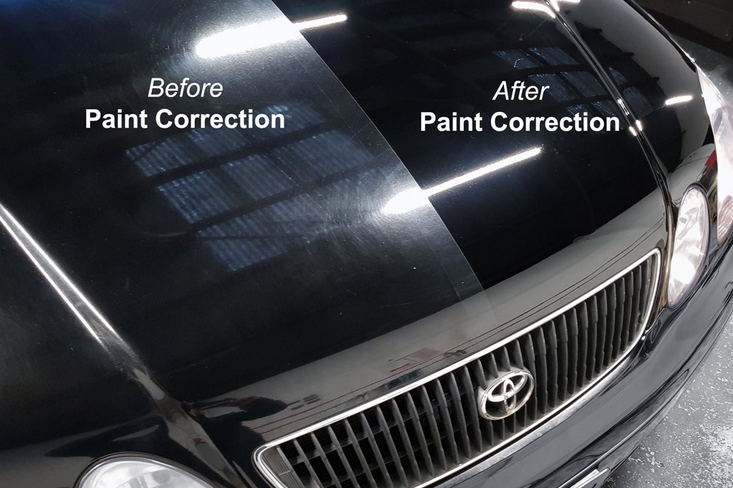
A ceramic coating is clear and very thin. It doesn’t fill or hide swirl marks, scratches or water spots. It bonds over the top of them and makes them shinier, which often makes them easier to see. That’s why the most important part of any coating job happens before the bottle is even opened.
Paint correction is the process of machine polishing the clear coat to level out defects. At Trident it’s done in three stages (cut, polish, finish) and typically takes 1-3 days, depending on the condition of the paint. It removes defects within the clear coat only, so deep scratches through to the colour or primer still need paint repair. You can read more about why the order of work matters in our post on paint correction before ceramic coating.
Most DIY jobs skip correction or rely on a light hand polish. On a brand new car with near-perfect paint, that can be fine. On a five-year-old daily driver that has been through car washes, it usually isn’t.
What can go wrong with a DIY ceramic coating?
Coating your own car isn’t hard, but it is unforgiving. The most common problems are:
- High spots. Excess coating that isn’t levelled in time cures into dark, smeary patches. Once hard, these usually need machine polishing to remove.
- Uneven coverage. Missed areas wear faster, and you won’t know until water stops beading on one panel.
- Coating in the heat. Perth summer afternoons can make coatings flash far too quickly, especially on dark paint in direct sun. Panels that are hot to the touch are a recipe for streaks.
- Dust and wind. An open garage on a windy day lets grit settle into wet coating.
- Early water exposure. Rain, reticulation or washing too soon can leave spots in a coating that hasn’t cured.
- Coating over swirls. The finish looks glossy but every defect is sealed in.
When does a DIY kit make sense?
A kit is a reasonable choice in a few situations:
- The paint is new or already in very good condition.
- You have a shaded, enclosed space and a cool, still day to work.
- You’re comfortable with the idea of reapplying it more often than a professional coating.
- You want to try the look and easy-clean feel before committing to more.
It’s worth thinking about a kit as an upgrade on a spray sealant or wax rather than a like-for-like swap for a professional coating. If that’s what you expect, you’re unlikely to be disappointed.
When is professional ceramic coating worth it?
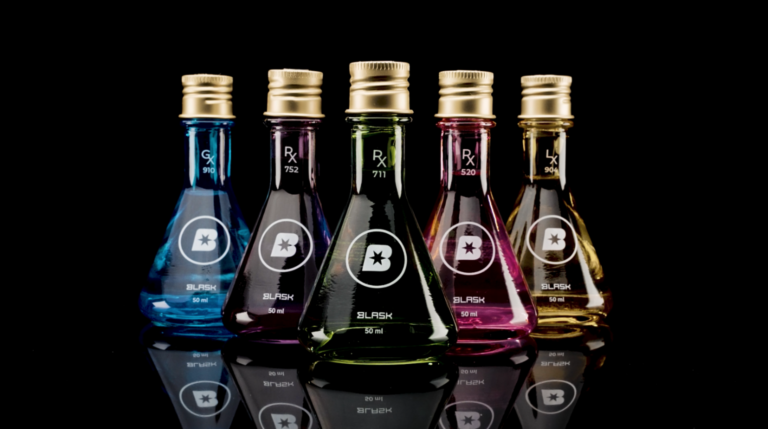
Professional coating tends to make more sense when the paint needs correcting first, when the car is dark in colour (defects are far more obvious on black and dark grey), or when you want the protection to last for years rather than months. Trident offers 5-year and 10-year coatings using Blask products, including RX 520 for balanced chemical resistance, RX 711 as a slick top coat and GX 910 for glass. You can compare the options on the ceramic coating Perth page.
If you’re still deciding whether coating is right for you at all, our guide to whether ceramic coating is worth it in Perth covers the pros and cons honestly. And if stone chips are your bigger concern, no coating, DIY or professional, will stop them. That’s a job for paint protection film.
How do you look after any ceramic coating?
Whichever way you go, care is much the same:
- Wash with a pH-neutral shampoo and a clean microfibre mitt.
- Avoid automatic car washes, which can scratch the coating and strip it faster.
- Rinse off bird droppings, sap and bugs quickly rather than letting them bake on.
- Dry with a soft drying towel or blower to avoid water spots.
- Keep the car away from reticulation overspray where you can.
Frequently asked questions
Can I put a DIY coating over a professional one?
It’s generally not a good idea without checking with whoever applied the original coating, as mixing products can affect how they bond and perform.
How long does a DIY ceramic coating last?
It varies a lot by product and preparation. Expect most consumer kits to last a fraction of a professional coating, and less on a car that lives outside.
Can a bad DIY coating be removed?
Yes. A cured coating can be taken off by machine polishing, which also removes high spots. The paint can then be prepared and recoated.
Is ceramic coating the same as a spray sealant?
No. Spray sealants sit on the surface and wear off in weeks. A ceramic coating bonds to the clear coat and is far more durable.
Get your paint properly protected
To talk about coating options, visit our workshops at 45 Berriman Drive, Wangara or Unit 6/1780 Albany Highway, Kenwick, or call 0482 689 885 for a quote.