PPF and vinyl wrap are both films applied over your car’s paint, but they do different jobs. Paint protection film is a thick, clear urethane made to absorb stone chips and scratches while keeping the original paint visible. Vinyl wrap is thinner and mainly changes the colour or finish. Choose PPF for protection, wrap for a new look.
People often use “wrap” for any film stuck on a car, which is where the confusion starts. A clear PPF bonnet and a satin black colour-change wrap can both be described as “wrapped”, yet they’re made from different materials, last differently and are bought for different reasons. Here’s how to tell them apart and work out which suits your car.
What is paint protection film?
Paint protection film, or PPF, is a transparent (or matte-finish) thermoplastic urethane film applied to painted panels. It’s thicker than vinyl and built to take hits: stones flicked up on the Mitchell Freeway, gravel on a farm road, keys and bag buckles near door handles. Many modern films also have a self-healing top layer that lets light swirls and fine scratches fade with heat.
Trident installs Terminax PPF, including full-body and matte PPF. You can see more on the paint protection film page.
What is a vinyl wrap?
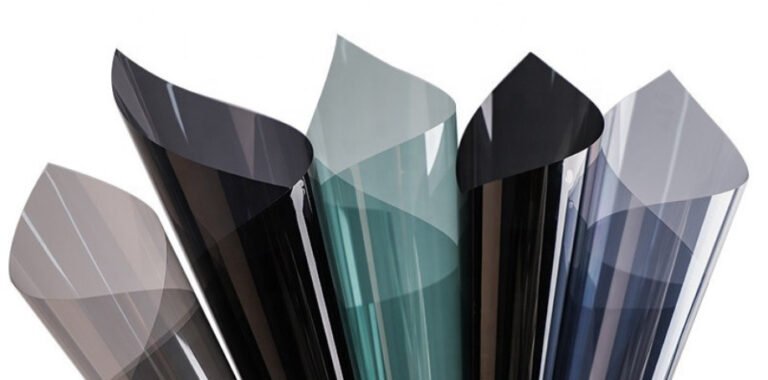
A vinyl wrap is a thinner PVC-based film that comes in hundreds of colours and finishes: gloss, satin, matte, metallic, carbon-look and chrome. Its main purpose is appearance. A wrap can change a white car to green, black out a roof, or add a business’s branding to a work ute.
Vinyl offers some protection against light scuffs and UV fading of the paint underneath, but it isn’t designed to absorb stone impacts, and a chip that goes through the vinyl will often reach the paint as well.
How do PPF and vinyl wrap compare?
| Paint protection film | Vinyl wrap | |
|---|---|---|
| Main purpose | Protecting paint | Changing colour or finish |
| Material | Thermoplastic urethane | Usually PVC vinyl |
| Thickness | Thicker | Thinner |
| Look | Clear gloss or matte; original colour shows | Any colour or finish |
| Stone chip resistance | High | Low |
| Self-healing | Common on modern films | Generally not |
| Typical buyer | Owners protecting new, prized or high-kilometre cars | Owners wanting a new look, or businesses adding branding |
Which one protects paint better?
PPF, clearly. Its thickness and elasticity let it spread the energy of a stone strike rather than letting it punch through. When the film eventually wears or gets damaged, the section can be removed and replaced, and the paint underneath is usually in the condition it was when the film went on.
That last point is the real value of PPF in Perth. Between freeway stone chips, harsh UV and summer heat, front-end paint can look tired within a few years. Keeping the factory paint intact matters when you come to sell, because resprayed panels raise questions with buyers.
Can you have a coloured wrap and still protect the paint?
Yes, in a couple of ways:
- Wrap the car and accept the trade-off. The vinyl shields paint from UV and light marks, but stone chips can still get through on exposed areas.
- Use clear PPF on high-impact areas and vinyl elsewhere. This is common on cars that are wrapped for looks but still do a lot of highway kilometres.
- Use matte PPF instead of a wrap. If the goal is a satin or matte look rather than a colour change, matte PPF turns gloss paint into a satin finish while protecting it. Our guide to matte PPF explains how it looks and how to care for it.
Some film makers now produce coloured PPF as well, which combines a colour change with impact protection. Availability varies between brands and installers.
Which lasts longer in the Perth sun?
Both materials are affected by UV and heat, and longevity depends heavily on the specific product, how the car is stored and how it’s cleaned. As a general rule, quality PPF is made for long-term exposure on paint, while vinyl wraps, especially darker colours and horizontal surfaces like the roof and bonnet, can fade or lose their finish faster in strong sun. Garaging the car and washing it gently helps either one.
Does either damage the paint when it comes off?
On healthy factory paint, quality film removed properly shouldn’t harm the paint. Problems tend to come from poorly prepared resprays, failing clear coat or cheap adhesives baked on for years. If you’re worried about this, our post on whether PPF damages paint goes into what actually happens during removal.
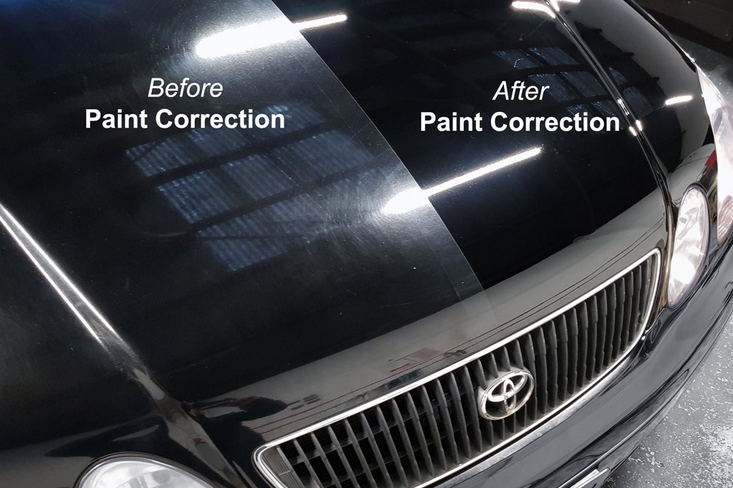
Before either film goes on, the paint should be clean and free of defects you don’t want sealed underneath. Paint correction removes defects within the clear coat so the film sits over a clean surface.
How do you decide?
Ask yourself what you’re trying to solve:
- “I’m sick of stone chips on the bonnet.” PPF.
- “I want my car to be a different colour.” Vinyl wrap.
- “I want a satin look without changing colour.” Matte PPF.
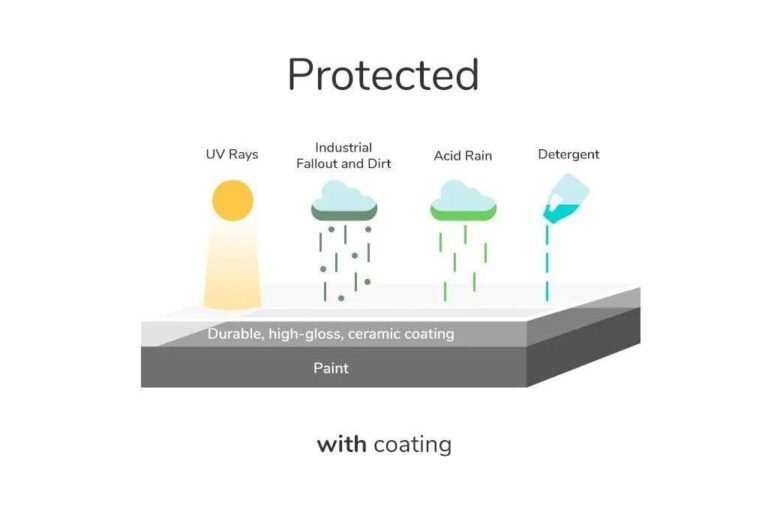
- “I want the paint easier to clean and glossier.” Neither film is essential; a ceramic coating may suit, and it can also go over PPF.
Frequently asked questions
Is PPF just a clear wrap?
Not really. It’s a different, thicker material designed for impact protection, not just a clear version of vinyl.
Can PPF go over a vinyl wrap?
It’s not a usual approach. Film is designed to bond to paint, and layering films can cause adhesion and removal problems.
Can you see PPF on the car?
Quality gloss PPF is very hard to spot once fitted, apart from edges on close inspection. Matte PPF changes the finish on purpose.
Is vinyl wrap cheaper than PPF?
Pricing depends on the film, the size of the car and how much is covered, so the only reliable comparison is a quote for your vehicle.
Talk to us about protecting your paint
To talk about film for your car, visit our workshops at 45 Berriman Drive, Wangara or Unit 6/1780 Albany Highway, Kenwick, or call 0482 689 885 for a quote.