A ceramic coating feels dry within hours, but it keeps hardening for days to weeks afterwards. While it cures, keep the car dry for at least the first day, hold off on shampoo washes for about a week, and steer clear of automatic car washes, sprinklers and extra products. Exact times depend on the coating you choose.
The first fortnight is the part of a coating’s life that owners most often get wrong, usually with the best of intentions. Here’s what is happening on your paint during that time, and the simple habits that help a new coating set properly.
What does “curing” actually mean?
A ceramic coating goes on as a liquid. Once it has been spread across the paint and levelled, the solvents in it start to evaporate and the remaining material reacts with moisture in the air. That reaction is what turns it into a hard, glass-like layer bonded to the clear coat.
It helps to think of the process in two stages:
- Surface cure. The coating is dry to the touch and the car can be handled and driven. This usually happens within hours.
- Full cure. The coating has reached its final hardness and chemical resistance. For many coatings this takes one to three weeks.
Between those two points, the coating looks finished but is still softer and more easily marked than it will be later. Water spots, droppings and a heavy-handed wash can all leave marks that a fully cured coating would shrug off.
How long does ceramic coating take to cure?
There’s no single number, because every product and every set of weather conditions is different. The table below shows common industry guidelines. If the written aftercare for your coating says something different, follow that instead.
| Time since application | Generally fine | Best avoided |
|---|---|---|
| First 24 hours | Driving in dry weather | Rain, sprinklers, washing, parking outside overnight in heavy dew |
| Days 2 to 7 | Gently flooding fresh droppings or sap off with clean water | Shampoo washes, scrubbing, waxes, sealants and quick detailers |
| Weeks 2 to 3 | A careful hand wash with pH-neutral shampoo | Strong degreasers, solvent cleaners, pressure washing up close |
| After full cure | Regular hand washing | Automatic car washes and abrasive polishes, for the life of the coating |
Why does Perth weather matter during curing?
Because most coatings cure by reacting with moisture in the air, temperature and humidity change how quickly they set. Perth throws up a few specific challenges:
- Hot summer afternoons. Heat speeds up the surface stage, but if a freshly coated dark bonnet gets wet and then sits in full sun, water marks can bake on before the coating has hardened.
- Winter fronts. Cool, damp weather slows curing down, and a cold front in the first 24 hours means rain on soft coating. It’s worth checking the forecast before you book.
- Dew. Cars left on the street or driveway in autumn and winter are often soaked by morning. A garage or carport for the first night or two makes a real difference.
- Reticulation. Sprinklers are the easiest thing to forget. Bore water carries iron and minerals that leave orange or white marks, and those are harder to shift from a coating that is still curing.
What should you avoid in the first week?
Water for the first day
Rain, sprinklers and hoses all leave droplets that dry on the surface. On a fresh coating, the minerals in those droplets can etch faint rings into the top layer. Keep the car dry for at least 24 hours.
Washing with shampoo or a mitt
Dragging a mitt across a coating that is still soft can leave fine marring. If the car picks up a layer of dust in the first week, leave it. Dust does far less harm than an early scrub.
Extra products
Waxes, spray sealants and quick detailers can interfere with how the coating bonds or traps solvents underneath. Don’t put anything over a new coating unless its instructions say to.
Letting droppings sit
This is the one time to act quickly. Bird and bat droppings, tree sap and squashed insects are acidic or sticky, and Perth heat speeds up the damage. Soak the spot with plenty of clean water, let it soften, then lift it away with a soft microfibre cloth without rubbing.
Can you drive the car while it cures?
Yes. Normal driving in dry weather is fine from the start. A few small choices help in the first week:
- Skip unsealed roads and beach car parks where possible, as red dust and sand are best kept off soft coating
- Avoid parking under trees that drop sap, berries or flowers
- Keep clear of building sites, where overspray and cement dust are common
- Turn the reticulation off or park well away from it
What if something goes wrong while it’s curing?
Most problems in the first weeks are cosmetic and easiest to deal with early. Watch for:
- Water spots that don’t come off with a gentle rinse
- Dull or rough patches where a dropping or sap sat for too long
- Dark, oily-looking streaks, often called high spots, where excess coating wasn’t fully levelled during application
Don’t attack any of these with polish or a strong cleaner, as that can strip the coating in that area. Contact whoever applied the coating so the patch can be assessed and corrected properly.
Looking after the coating once it has cured
After the first few weeks, the routine is simple: wash by hand with a pH-neutral shampoo, use clean microfibre mitts and drying towels, and avoid automatic car washes. Our guide to ceramic coating maintenance covers the long-term routine in more detail. Cars with matte paint need a matte-specific coating and matte-safe products from day one.
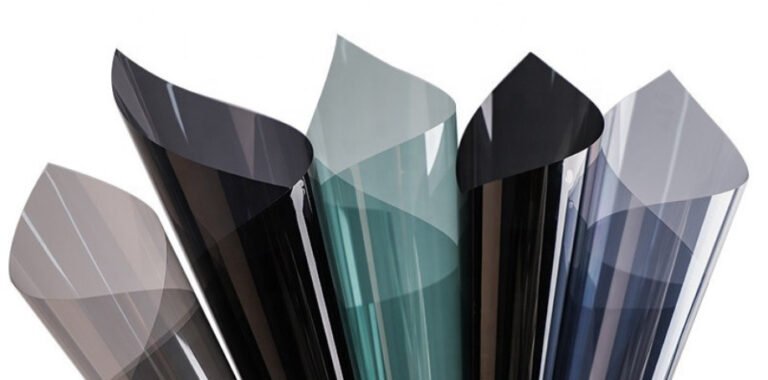
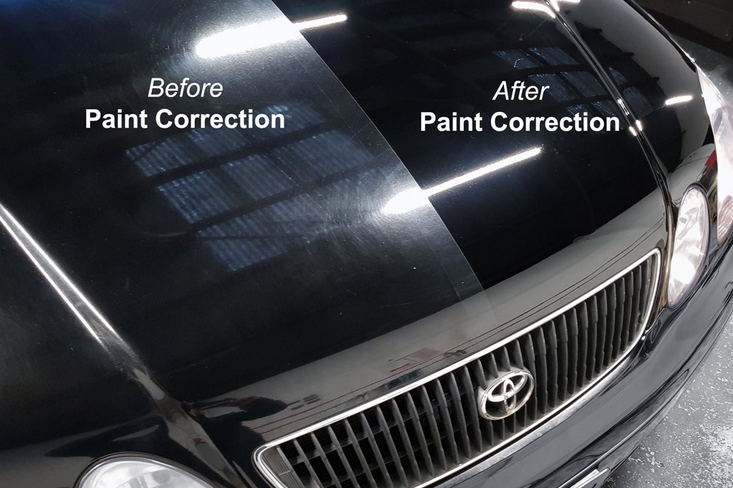
Good preparation also makes curing go more smoothly. A coating locks in whatever is underneath it, which is why many owners have their paint machine polished first through paint correction. If you’re weighing up film as well, paint protection film adds physical protection against stone chips that a coating can’t provide.
Frequently asked questions
Can it rain on a new ceramic coating?
Ideally not in the first 24 hours. After that, a shower is unlikely to cause harm, but rinse the car with clean water and dry it once the rain passes so mineral spots don’t set.
How soon can I wash my car after ceramic coating?
Most guidelines suggest waiting around a week before a full shampoo wash. When you do, use a pH-neutral shampoo and a soft mitt, and keep the pressure washer at a sensible distance.
Do I need to keep the car in a garage while it cures?
It isn’t essential, but parking undercover for the first night or two cuts the risk of dew, rain and droppings landing on soft coating.
Does a 10-year coating take longer to cure?
Curing time depends on the specific product and the weather rather than the warranty length. Follow the aftercare instructions for the coating applied to your car.
Book your ceramic coating
Trident offers 5-year and 10-year ceramic coatings from two Perth workshops: 45 Berriman Drive, Wangara in the north and Unit 6/1780 Albany Highway, Kenwick in the south. Call 0482 689 885 or send an enquiry for a quote.