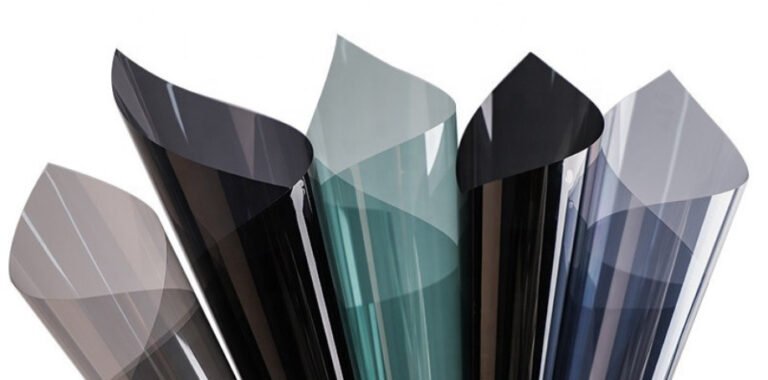
Full-body PPF covers every painted panel, so the whole car is protected from chips, scratches and contaminants. Partial PPF covers only the high-impact zones, usually the front bumper, bonnet, guards and mirrors. Choose full-body if you want complete protection or have a premium car; choose partial if stone chips on the front are your main worry.
Once you’ve decided paint protection film is right for your car, the next question is how much of the car to wrap. It’s the biggest single factor in what you’ll pay, and the right answer depends on how you drive, where you park and how long you plan to keep the vehicle.
What are the common PPF coverage options?
Installers describe coverage in slightly different ways, but most packages fall into these broad levels:
| Coverage level | Panels usually included | Best suited to |
|---|---|---|
| Partial front | Front bumper, leading edge of the bonnet and guards, mirror caps | Daily drivers wanting chip protection on a budget |
| Full front | Entire front bumper, full bonnet, full front guards, mirrors, sometimes headlights | Freeway commuters and new cars |
| Full front plus high-wear areas | Full front, plus door edges, door cups, rear bumper top and sills | Family cars and utes that see everyday knocks |
| Full body | Every painted panel | Premium, performance or long-term keeper cars |
Trident installs Terminax paint protection film, including full-body and matte PPF. You can see more about the film on the paint protection film page.
Why does a partial bonnet leave a line?
Partial bonnet coverage usually stops part of the way back, which means there’s a film edge running across the panel. On light-coloured cars this is hard to spot. On dark paint, and as the uncovered paint around it ages differently over the years, it can become more noticeable. Full-panel coverage takes the edge to the panel’s natural border, where it’s far less visible.
Where does a car actually get damaged?
Before deciding on coverage, it helps to think about where your own car takes hits.
The front end
The bumper, bonnet, headlights and mirrors face every stone flicked up by the car ahead. This is where nearly every car shows chips first, which is why the front is the starting point for almost all PPF packages.
The sides and sills
Stones thrown by your own tyres hit the lower doors, sills and the area behind the wheel arches. Utes and SUVs with chunky tyres, or cars that use gravel roads, cop more of this.
High-touch areas
Door handle cups collect fingernail scratches, door edges get chipped against car park walls, and the top of the rear bumper wears from loading groceries, prams and tools. Small pieces of film on these spots make a visible difference.
Everything else
Roofs, rear panels and quarter panels rarely see stone damage, but they do face bird droppings, tree sap, car park scrapes and the general wear of years in the Perth sun. Covering these is what moves a package to full body.
Who should choose full-body PPF?
Full-body coverage makes most sense if:
- The car is new or the paint is in excellent condition
- You plan to keep it for many years and want the paint to stay original
- It’s a premium, performance or collectable model where paint condition affects value
- It has matte or satin paint that is hard to touch up
- You want a full colour change or finish change without a respray (matte film over gloss paint, for example)
- You’d rather not think about which panels are or aren’t protected
For matte owners in particular, our guide to matte PPF explains how satin film works and how to look after it.
When is partial or full-front PPF enough?
A front-focused package is often the sensible choice if:
- Your main concern is stone chips from freeway or highway driving
- The car is a daily driver rather than a showpiece
- You’re working to a set budget and want the best protection per dollar
- You plan to change cars in a few years
Many owners start with full front coverage and add door cups, door edges and the rear bumper top. It’s a practical middle ground that targets the panels that get damaged most.
Does the paint need to be prepared first?
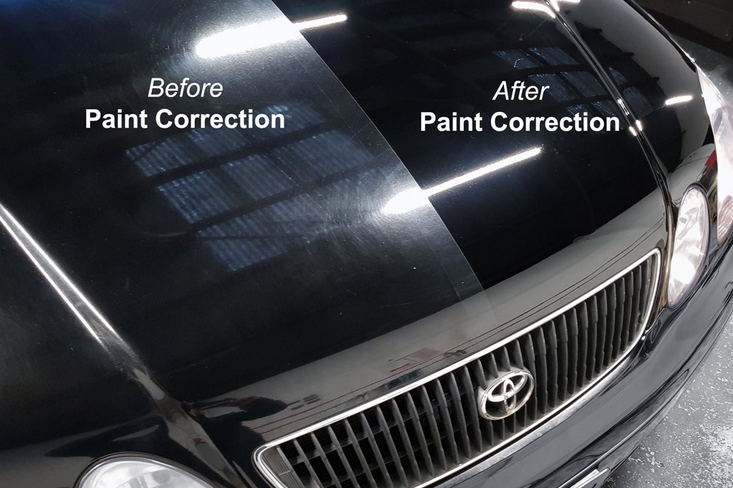
Yes, whichever coverage you choose. PPF is clear, so it locks in whatever is underneath it. Swirl marks, light scratches and water spots under the film will still be visible once it’s applied. On anything other than a fresh car, a level of paint correction before installation is worth considering. Correction only removes defects within the clear coat, so deep scratches that go through to the base coat or primer need touching up instead.
Can you combine PPF with ceramic coating?
Yes. Some owners choose full-front PPF and then apply a ceramic coating over the whole car, including the film. The film handles chips on the front, while the coating adds gloss and makes the entire car easier to wash. It’s a common way to get strong protection where it matters most without going to full body.
What affects the cost of PPF coverage?
Prices aren’t one size fits all. The main factors are:
- Number of panels covered
- Size of the vehicle, since a large SUV or ute uses much more film than a small hatch
- Complexity of the panels, such as deep bumper vents, sharp creases and sensors
- Whether edges are wrapped around panels for a less visible finish
- Gloss or matte film
- How much paint preparation the car needs before installation
Ask for a quote on the exact coverage you’re considering, and compare quotes on panel lists, not just headline packages.
Frequently asked questions
Can I add more PPF later?
Yes. Many owners start with the front and add panels later. Keep in mind that paint left uncovered will age in the meantime, so a new panel of film goes over paint that may no longer match the protected areas perfectly.
Does full-body PPF change how the car looks?
Gloss film is designed to be close to invisible and can add depth to the paint. Matte film changes a gloss car to a satin finish, which some owners choose on purpose.
Should headlights be included?
Headlights sit right at the front and take a lot of stone impacts, so many front packages include them. If your lenses are already yellow or hazy, they need restoring before film goes on.
Is full-body PPF worth it on an older car?
It can be, but the paint should be corrected first. On an older car with tired paint, a front-focused package plus correction is often the more practical starting point.
Choose the coverage that suits your car
To see Terminax PPF and talk through coverage for your vehicle, visit our workshops at 45 Berriman Drive, Wangara or Unit 6/1780 Albany Highway, Kenwick. You can browse finished cars on our work page, then call 0482 689 885 for a quote.