Window tint helps protect babies and young children in the back seat by blocking up to 99.9% of UV and a good share of the sun’s heat through the side windows. In WA it must still meet the legal limits, and it is never a reason to leave a child in a parked car, even for a minute.
If you have a rear-facing baby seat or a toddler who falls asleep on every drive, you have probably noticed how much sun pours through the back windows. This guide covers what tint actually does for little passengers, what it can’t do, and how to choose film that keeps the car legal.
Why do kids in the back seat cop so much sun?
Most windscreens are made from laminated glass, which filters out most UV on its own. The side and rear windows are usually toughened glass, which lets through considerably more UVA, the type linked to skin ageing and long-term damage. That is the glass right next to a child seat.
Children also sit lower than adults and can’t move out of the sun. A baby in a rear-facing capsule can’t turn away, and on a run along the Kwinana or Mitchell Freeway in the late afternoon, the sun can sit on one side of the car for the whole trip. Cancer Council Australia notes that sun exposure in childhood is a major factor in skin cancer risk later in life, which is why many parents look at every bit of daily exposure, the car included.
What does window tint actually do for children?
Good film does three useful jobs for young passengers:
- Blocks UV. Quality films reject up to 99.9% of UV, including through the rear side windows where children usually sit.
- Cuts heat. Ceramic and carbon films reduce the infrared heat coming through the glass, so the back seat stays more comfortable while the air-con catches up.
- Reduces glare. A softer light helps babies settle and makes screens or books easier for older kids to use.
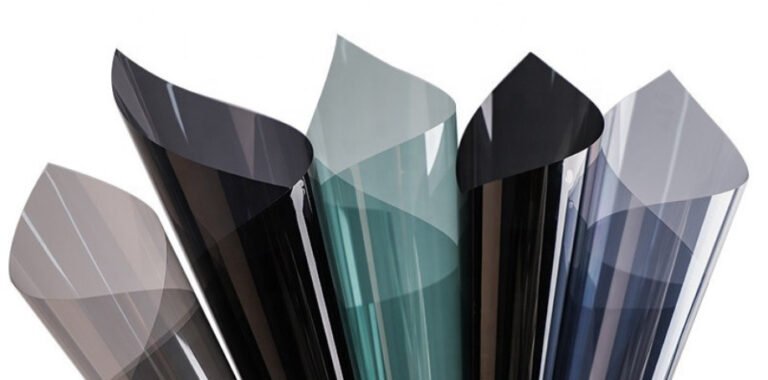
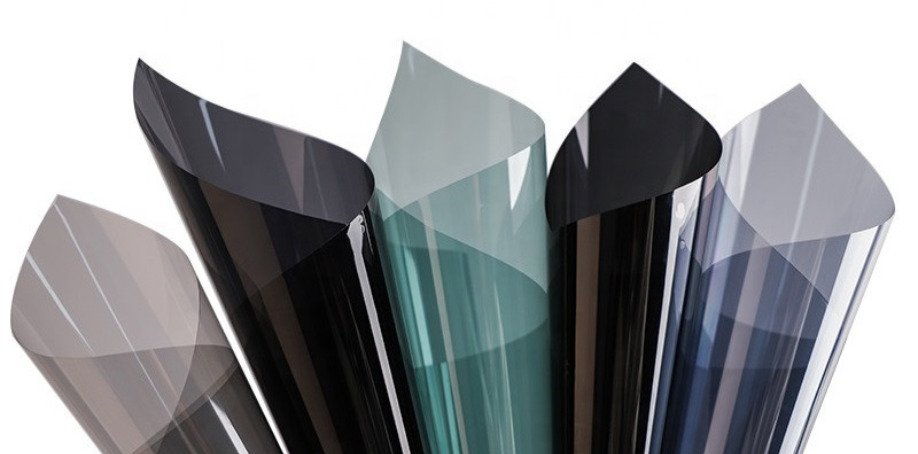
Heat rejection is where films differ most. A ceramic tint such as Rayno Phantom uses nano ceramic particles to absorb and block infrared light without needing to be very dark. If you want to understand the science, our article on how ceramic window tint works explains it in plain English.
What tint can’t do
Tint makes the back seat more comfortable during a drive. It does not make a parked car safe. A closed car in a Perth summer heats up quickly whether the windows are tinted or not, and children are far more vulnerable to heat than adults. Take children with you every time you leave the car.
Tint also doesn’t replace other sun habits. Hats, sunscreen on long trips and covering little legs with light clothing still matter, particularly on road trips where kids sit in the sun for hours.
Is tint better than stick-on sunshades?
Plenty of parents start with suction-cup or cling shades. They are cheap and easy, but they have limits.
| Window tint | Removable sunshades | |
|---|---|---|
| Coverage | The whole window, edge to edge | Usually part of the window, with gaps |
| UV blocking | Up to 99.9% with quality film | Varies widely between products |
| Heat reduction | Ceramic film rejects infrared heat | Mostly shade only |
| Driver’s view | Clear, consistent view through the glass | Can block the view over the shoulder |
| Staying in place | Permanent, no loose parts | Can be pulled off by kids or fall down |
| Window use | Windows still wind up and down | Some shades must come off first |
Many families keep a shade in the glovebox for very low winter sun but rely on tint for day-to-day protection.
How dark can you go with kids in the car?
Darker isn’t always better, and in WA it isn’t always legal. The WA Department of Transport sets these limits for tinted windows:
- Front side windows must let through at least 35% of visible light (35% VLT).
- Rear side windows and the rear windscreen must be at least 20% VLT, provided the vehicle has exterior mirrors on both sides.
- Reflectance can’t exceed 10%.
- The windscreen can only be tinted in the top band.
The rear limit is the one that matters for children, and the darkest legal rear shade is already quite dark. Because good ceramic film rejects heat through its technology rather than its darkness, you don’t need the darkest legal shade to get most of the benefit. A lighter film can also make it easier to check on the kids in the rear-view mirror and to see out when reversing at night. Our guide to window tinting laws in Australia covers the rules in more detail.
Things to think about before you book
Factory privacy glass
Many family SUVs and people movers already have darker rear glass from the factory. Adding film on top lowers the combined VLT, so the installer needs to measure what is already there before choosing a shade.
Your child seat set-up
Sun hits a rear-facing capsule differently from a booster seat. Sit in the back yourself on a sunny afternoon and note which windows cause the most trouble. That makes it easier to decide whether to tint every window or focus on the rear.
The first few days
New tint needs time to cure, so windows should stay up for 3 to 5 days. Turning on the child window lock is the easiest way to stop little hands winding a window down too soon.
Cleaning sticky fingerprints
Kids and tinted windows mean smudges. Use an ammonia-free cleaner and a soft microfibre cloth, and avoid anything abrasive, scrapers or harsh household sprays on the inside of the glass.
What affects the cost?
The price depends on the type of film, the number and shape of the windows, the size of the vehicle and whether old film needs removing first. A ceramic film costs more than a dyed or carbon film but delivers noticeably more heat rejection. The best way to compare is to get a quote for your exact vehicle and the windows you want covered. You can see the options on our window tinting page.
Frequently asked questions
Can a baby get sunburnt through car windows?
Toughened side windows let through a fair amount of UVA, so long trips in direct sun can contribute to skin damage. Film that blocks up to 99.9% of UV greatly reduces that exposure through the tinted glass.
Is tint safe for a car with a newborn?
Yes. Tint is applied to the inside of the glass and, once cured, has no smell or loose parts. The main precaution is keeping the windows up during the 3 to 5 day curing period.
Will tint make it harder to see my child in the mirror?
Very dark film can make the back of the car dimmer, especially at night. Choosing a lighter legal shade of ceramic film keeps good visibility while still rejecting heat and UV.
Can I tint only the rear windows?
Yes. Many parents start with the rear side windows and rear windscreen because that’s where the children sit. The front windows can be done later, as long as they meet the 35% limit.
Make the back seat a cooler place
If you’d like to talk through tint options for your family car, visit us at 45 Berriman Drive, Wangara or Unit 6/1780 Albany Highway, Kenwick, or call 0482 689 885 for a quote.