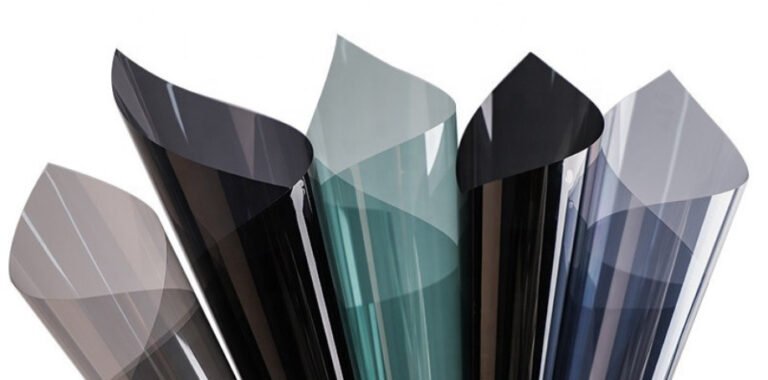
Carbon film tint and ceramic tint both cut glare, block UV and won’t fade the way cheap dyed film does. The difference is heat. Ceramic film rejects more infrared heat at the same shade, so it keeps a car cooler without going darker. Carbon costs less and still performs well. For long, hot Perth summers, ceramic usually comes out ahead.
Both films look similar once they’re on the glass, so it can be hard to know what you’re actually paying for. This guide puts them side by side, explains where each one makes sense, and covers what to ask before you book.
What is carbon window tint?
Carbon film has fine carbon particles built into its layers. Carbon is good at absorbing heat and visible light, and the film usually has a deep charcoal, matte look that a lot of people like. Because there’s no dye to break down in the sun, carbon film holds its colour far better than budget dyed tint, and it won’t go purple or bubble from fading.
Carbon film contains no metal, so it won’t interfere with phone reception, GPS, keyless entry or toll tags. For many drivers it’s a big step up from dyed film without the higher price of ceramic.
What is ceramic window tint?
Ceramic film uses microscopic, non-conductive ceramic particles that target infrared light, the part of sunlight you feel as heat. It lets plenty of visible light through while blocking much of the infrared. In practice, a lighter ceramic film can keep a cabin cooler than a darker carbon film. If you want the full technical explanation, read our guide on how ceramic window tint works.
Like carbon, ceramic film is metal-free, so it won’t affect your electronics. It also tends to give the clearest view out, which helps at night and in rain.
Carbon vs ceramic tint: how do they compare?
Here’s how the two film types generally compare. Exact figures vary by brand and shade, so always check the specification sheet for the film you’re being quoted.
| Feature | Carbon tint | Ceramic tint |
|---|---|---|
| Heat (infrared) rejection | Good, and better in darker shades | Highest, even in lighter shades |
| UV protection | High | High |
| Glare reduction | Good | Good |
| Colour stability | Doesn’t fade like dyed film | Doesn’t fade like dyed film |
| Signal interference | None (metal-free) | None (metal-free) |
| Look | Matte charcoal finish | Neutral tone, very clear view |
| Price | Mid-range | Usually the highest |
Which tint keeps a car cooler in Perth?
This is where the two films really separate. Carbon film rejects heat mainly by absorbing it, so its performance is closely linked to how dark the film is. Ceramic film targets infrared more selectively, so it can reject a lot of heat without needing a very dark shade.
That matters in WA because tint darkness is capped by law. Under WA Department of Transport rules, front side windows must let through at least 35% of visible light (VLT), while rear side windows and the rear windscreen must be at least 20% VLT, provided the vehicle has exterior mirrors on both sides. Film reflectance can’t exceed 10%, and the front windscreen can only be tinted in the top band. Our guide to window tinting laws covers the detail.
So on your front windows, where you can’t go darker than 35%, ceramic gives you more heat rejection inside the legal limit. That’s a real advantage when your car has been parked in the sun at a shopping centre in February.
Is carbon tint still a good choice?
Yes. Carbon film is a solid, long-lasting option, and plenty of drivers are happy with it. It may suit you if:
- You want a clear improvement over dyed film but have a tighter budget
- You like the darker, matte charcoal look
- The car is mostly garaged or used for short trips
- You’re tinting an older or secondary vehicle you don’t plan to keep for long
When is ceramic tint worth the extra?
Ceramic tends to earn its higher price when heat is your main concern. It’s worth a serious look if:
- Your car is parked outdoors all day, at work or at home
- You do long drives or school runs in the middle of the day
- You want to stay at a lighter, legal shade but still cut heat
- You have kids, pets or leather seats that suffer in a hot cabin
- You plan to keep the car for years and want the best long-term comfort
Keeping heat and UV off the cabin also helps protect your interior. If you have leather seats, pairing tint with leather protection helps guard against drying and wear.
What about nano carbon ceramic film?
Some modern films blend both technologies. The Rayno Phantom range fitted at Trident is a nano carbon ceramic film, combining carbon’s dark, stable finish with ceramic particles for heat rejection. It’s dye-free and metal-free, with fading under 1% and up to 99.9% UV rejection. The top Phantom S9 film offers infrared rejection of up to 93%.
Trident offers ceramic, carbon and dyed films. You can see the full range on our ceramic tint page and our window tinting page.
What affects the price of carbon and ceramic tint?
Ceramic film usually costs more than carbon because the material is more expensive to make. Beyond the film type, the final price depends on:
- The size of the vehicle and how many windows are being tinted
- The shape of the glass, since steeply curved rear windows take more time
- Whether old tint needs to be removed first
- The specific film grade within a range
- The warranty that comes with the film
Most cars take 2 to 4 hours to tint. Premium films at Trident come with a lifetime warranty against peeling, bubbling and fading. For an accurate figure, it’s best to ask for a quote for your vehicle.
Do carbon and ceramic tint need different aftercare?
No, the aftercare is the same. Keep your windows up for 3 to 5 days after tinting so the film can cure properly, and clean the inside of the glass with an ammonia-free cleaner and a soft microfibre cloth. Avoid scrapers and abrasive pads on the film side.
Frequently asked questions
Is ceramic tint better than carbon tint?
For heat rejection, yes. Ceramic film blocks more infrared heat at the same shade. Carbon film is still a good, fade-resistant choice and usually costs less.
Can you tell carbon and ceramic tint apart by looking?
Not easily. Carbon often has a slightly more matte charcoal finish, while ceramic tends to look more neutral. The real difference is felt in cabin temperature, not seen.
Does carbon or ceramic tint affect phone signal?
Neither should. Both are metal-free films, so they won’t interfere with phones, GPS, radio or keyless entry.
Are carbon and ceramic tint both legal in WA?
Yes, as long as the shade meets WA limits: at least 35% VLT on the front side windows, at least 20% VLT at the rear (with exterior mirrors on both sides), and no more than 10% reflectance. Trident fits WA-legal shades.
How long do carbon and ceramic tint last?
Quality carbon and ceramic films are both built to last for many years without fading, unlike cheap dyed film. Film quality, installation and aftercare all play a part.
Compare carbon and ceramic tint in person
The easiest way to decide is to see the films and talk through how you use your car. Visit Trident Car Care at 45 Berriman Drive, Wangara or Unit 6/1780 Albany Highway, Kenwick, or call 0482 689 885 to book.