Paint protection film (PPF) is a thick, clear urethane layer that physically absorbs stone chips and light scratches. Ceramic coating is a thin, hard chemical layer that adds gloss and makes paint easier to clean and more resistant to UV, bird droppings and grime. If chips worry you most, choose PPF. For gloss and easy upkeep, choose a coating.
The two products often get lumped together because both are sold as “paint protection”. They solve different problems, though, and knowing which problem you actually have makes the decision much easier.
What is paint protection film?
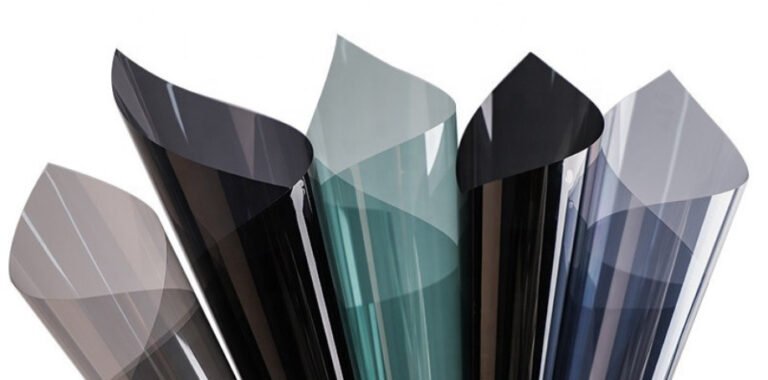
PPF is a transparent, flexible film, usually made from thermoplastic urethane, that is cut to shape and applied directly over painted panels. Because it has real thickness, it can take the hit from a flicked-up stone, a trolley nudge or a key brushing past the door handle, so the paint underneath doesn’t have to. Many modern films also have a self-healing top layer, where fine swirl marks fade with warmth from the sun or warm water.
Film can cover just the high-impact areas, such as the front bumper, bonnet leading edge and mirror caps, or the entire car. Trident installs Terminax PPF, including full-body and matte film. You can see the options on the paint protection film page.
What is ceramic coating?
A ceramic coating is a liquid that is applied by hand to clean, prepared paint. It bonds with the clear coat and cures into a hard, glass-like layer that is a tiny fraction of the thickness of film. Its strengths are chemical: water beads and sheets off, dirt struggles to stick, and the surface stands up better to UV, bird droppings, tree sap and harsh contaminants.
Trident offers 5-year and 10-year ceramic coatings. More detail is on the ceramic coating Perth page.
How do PPF and ceramic coating compare?
| Paint protection film | Ceramic coating | |
|---|---|---|
| What it is | Clear urethane film applied to panels | Liquid layer that bonds to the clear coat |
| Stone chips | Absorbs most impacts | Too thin to stop chips |
| Light scratches and swirls | Takes the damage instead of the paint; many films self-heal | Adds some resistance, but won’t stop scratches |
| Gloss and water beading | Good, depends on the film’s top coat | Excellent: strong gloss and beading |
| Bird droppings, sap, UV | Protects the paint underneath | Resists etching and makes cleaning easier |
| Coverage | Can be partial or full-body | Normally the whole car |
| Can it be removed? | Yes, the film can be peeled off | Wears away over time or is machine polished off |
When does PPF make more sense?
PPF earns its place when physical damage is the main risk. That usually means:
- Lots of freeway kilometres, where trucks and other cars throw up stones at speed.
- Regular trips on regional roads, gravel or unsealed tracks.
- A new car you want to keep chip-free on the bonnet and front bumper.
- A leased or high-value vehicle, where clean original paint affects what it’s worth when you hand it back or sell it.
- 4WDs and SUVs heading off-road, where scrub and branches scratch the sides.
When is ceramic coating the better fit?
A coating suits drivers whose main frustrations are fading, dull paint and constant cleaning rather than chips. Perth’s strong UV, salty air near the coast, bird droppings at the beach car park and the fine red dust after a trip inland all attack the surface rather than chip it. A coated car rinses clean faster, holds its gloss for longer and makes weekly washing quicker.
It’s also the option to look at if you want the whole car protected and full-body film isn’t in the budget.
Can you have both?
Yes, and plenty of owners do. A common approach is PPF on the areas that cop the most stones, such as the bonnet, front bumper, guards and mirrors, then a ceramic coating over the rest of the paint. A coating can also go on top of the film itself to add slickness and make the film easier to keep clean.
The two work together rather than competing: the film handles impacts, and the coating handles gloss, beading and chemical resistance.
Does the paint need correcting first?
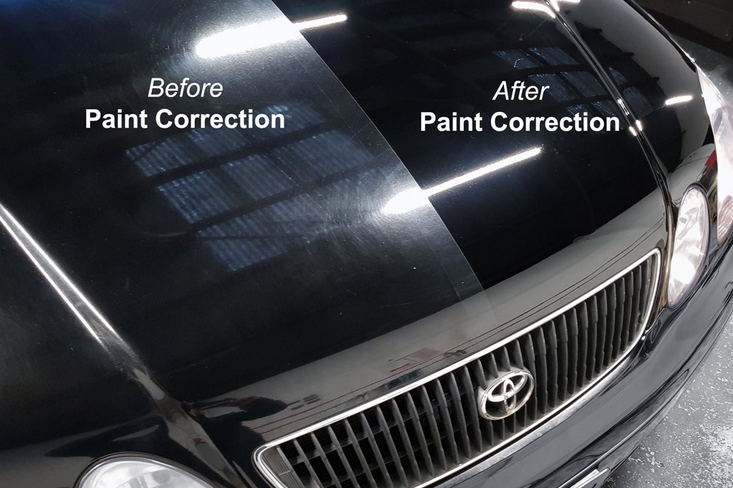
Both products lock in whatever is underneath them. If the paint has swirl marks, holograms or light scratches, they’ll still be there under film or a coating, and arguably more noticeable under fresh gloss. That’s why paint is usually corrected before either product goes on, especially on a car that isn’t brand new.
Paint correction at Trident is a 3-stage process (cut, polish and finish) that typically takes 1 to 3 days. It removes defects within the clear coat only, so deep scratches that go through to the base coat or primer need touch-up or panel work instead.
What affects the cost of each?
There’s no single figure for either, because a few things move the price:
- Coverage: a front-end PPF kit is a very different job to a full-body wrap.
- Vehicle size and shape: bigger cars and complex bumpers take more material and labour.
- Paint condition: the more correction needed beforehand, the more time involved.
- Product grade: coating durability and film type both change the cost.
The simplest way to compare is to get a quote for your car with the coverage you’re considering.
How do you look after each one?
Care is similar for both. Wash with a pH-neutral shampoo and a soft microfibre mitt, and avoid automatic car washes, whose brushes can scratch a coating and catch film edges. With PPF, keep a pressure washer nozzle well back from the film edges so you don’t lift them. Our guide to ceramic coating maintenance goes through a washing routine step by step.
Frequently asked questions
Does ceramic coating stop stone chips?
No. A coating is far too thin to absorb the impact of a stone at highway speed. If chips are your main concern, PPF is the product that deals with them.
Will I be able to see the PPF on my car?
On clean, well-prepared paint, quality gloss film is very hard to spot. Up close, you may notice the edges where the film finishes on a panel.
Can ceramic coating go over PPF?
Yes. Coating the film adds gloss and water beading and makes it easier to wash. It’s a common way to combine the two.
What if my car has matte paint?
Matte paint needs products made for it. A matte-specific coating keeps the flat finish, and matte PPF is available for film. Trident installs matte PPF.
Protect your paint the right way
Not sure whether your car needs film, a coating or both? Have a look at finished cars on our work page, then call 0482 689 885 or send an enquiry. You can also visit either workshop: 45 Berriman Drive, Wangara and Unit 6/1780 Albany Highway, Kenwick.