Salt air speeds up paint wear and corrosion on cars kept near the Perth coast. The best defence is a regular fresh-water rinse, a ceramic coating so salt washes off more easily, and paint protection film on chip-prone panels, because a chip that exposes bare metal is where salt does its real damage.
If you live in a beachside suburb, park near the ocean at work, or spend summer weekends at the coast, your car is sitting in a fine mist of salt for much of the year. You won’t see it most days. You’ll notice it when the paint starts to feel gritty after a wash, the chrome trim loses its shine, or a small stone chip on the bonnet turns into a brown spot. Here’s how salt does its damage and what actually helps.
Why is salt air so hard on cars?
The sea breeze carries tiny droplets of salt water inland. When they land on your car, the water evaporates and leaves a thin crust of salt behind. That crust is the problem. Salt draws moisture out of the air, so on a humid night or after morning dew, the surface of your car stays slightly damp and salty for hours.
Heat makes it worse. Chemical reactions run faster at higher temperatures, and a car parked in the Perth sun can have panel temperatures far above the air temperature. Salt, moisture and heat together are a hard combination for any finish.
What does salt actually damage?
Modern factory paint is tough, and salt on its own won’t eat through an intact clear coat overnight. The damage tends to show up in a few predictable places:
- The clear coat. Salt residue left on the paint, especially when it’s wiped off dry, adds fine scratches and leaves the finish looking flat.
- Stone chips and deep scratches. Once a chip goes through to the metal, salt and moisture can start rust that creeps under the surrounding paint.
- Underbody and wheel arches. These areas trap salty grime and rarely get rinsed properly.
- Brightwork and trim. Chrome, polished alloy and exterior plastics can spot, cloud or fade.
- Glass. A salty film on the windscreen scatters light and adds glare when driving into a low sun.
The common thread is that salt exploits weaknesses. A well-kept surface with no exposed metal shrugs most of it off. A chipped, neglected one doesn’t.
Does it matter how close to the beach you are?
Generally, yes. Exposure is usually highest within the first stretch back from the ocean and drops off as you move inland, though strong onshore winds carry salt further than many people expect. Where you park matters as much as where you live. A car kept in a garage overnight sees far less salty dew than one parked on the street a few hundred metres from the water.
Your habits count too. Driving on the sand at the beach, launching a boat, or parking right on the foreshore all put salt water directly onto the car, which is much harsher than airborne salt.
How often should you rinse salt off?
Here’s a sensible starting point, based on how much salt your car sees:
| Your situation | Suggested routine |
|---|---|
| Garaged in a coastal suburb, driven daily | Rinse and wash every one to two weeks |
| Parked outdoors near the ocean | Rinse weekly, more often in windy weather |
| Occasional beach trips | Rinse the same day or the next morning |
| Beach driving or boat launching | Rinse the body and underbody the same day |
How should you wash salt off without scratching the paint?
Salt crystals are abrasive, so the order matters:
- Rinse the whole car with plenty of low-pressure water first, starting from the roof, to dissolve and float salt away before anything touches the paint.
- Rinse the wheel arches, sills and underbody, where salty sand collects.
- Wash with a pH-neutral car shampoo using a clean microfibre mitt, rinsing the mitt often.
- Rinse again thoroughly.
- Dry with a soft, clean microfibre towel so water spots don’t form in the sun.
Never dry-wipe a salty car with a cloth or duster. You’re dragging fine crystals across the clear coat. If you wash with bore water, drying straight away is even more important because of the minerals it leaves behind.
How does ceramic coating help near the coast?
A ceramic coating bonds to the paint and creates a slick, water-repellent layer. Salt and grime have less to grip on, so more of it comes off with a simple rinse, and you need less scrubbing to get the car clean. Less scrubbing means fewer wash scratches over time.
Coatings also add chemical resistance. Blask RX 520, for example, is designed for balanced chemical resistance, which suits a car regularly exposed to salt residue, bird droppings and summer heat. Trident offers 5-year and 10-year coatings, and coated cars should be washed with pH-neutral shampoo and kept out of automatic car washes.
What a coating won’t do is seal a stone chip. It’s a very thin layer, not a cushion, so a chip through the paint still leaves metal exposed.
Where does paint protection film fit in?
This is where paint protection film earns its keep on a coastal car. PPF is a thick, clear urethane layer that absorbs the impact of stones and grit, so chips are far less likely to reach the metal in the first place. Common areas to cover are the bonnet, front bumper, mirrors and door edges, which take the most hits on the road.
Trident installs Terminax PPF, including full-body coverage for owners who want every painted panel protected. Many owners combine film on the front with a coating over the rest of the car, so the whole surface is easier to rinse clean.
What if the paint already looks dull?
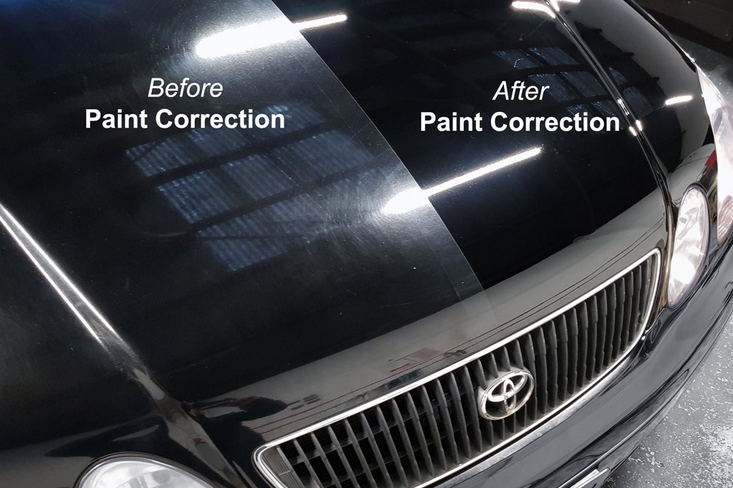
If salt and years of washing have left the finish hazy, paint correction can bring it back. It’s a three-stage machine process (cut, polish and finish) that typically takes one to three days and removes defects within the clear coat. It can’t fix rust, chips through to metal or clear coat that has started peeling, so those need panel repair first. Once the paint is corrected, protecting it is the step that stops the same problem returning.
Frequently asked questions
Does rain wash salt off my car?
Only partly. Light rain can spread salt around and then evaporate, leaving the residue behind. A proper rinse with plenty of fresh water is more reliable.
Will ceramic coating stop my car rusting?
No. It helps keep the paint cleaner and easier to wash, but rust starts where metal is exposed, such as chips and scratches. Fixing chips quickly and adding film to high-impact areas matters more for rust.
Is a drive-through car wash fine after a beach trip?
Automatic washes can scratch paint and are best avoided on coated cars. A hand rinse at home, including the underbody, is gentler and more thorough.
Do I need to worry if I only visit the beach on weekends?
Occasional exposure is easy to manage. Rinse the car the same day or the next morning, and you’ll avoid most of the build-up.
For more on keeping a coated car in top shape, read our guide to ceramic coating maintenance, or browse our work to see finished cars.
Protect your car from the coast
If your car lives near the ocean, see the team at 45 Berriman Drive, Wangara or Unit 6/1780 Albany Highway, Kenwick, or call 0482 689 885 for a quote on coating or paint protection film.