Self-healing PPF has an elastic top coat that flows back into shape when it warms up, so light swirls and fine scratches in the film fade away in the sun or under warm water. It can’t repair cuts that go right through the film, chips that punch through it, or damage already in the paint underneath.
“Self-healing” is one of the most talked-about features of modern paint protection film, and one of the most misunderstood. Some people expect it to make a car scratch-proof. Others assume it’s a sales line. The truth sits in between, and knowing where the limits are helps you decide whether film is right for your car and how to look after it once it’s on.
What does self-healing actually mean?
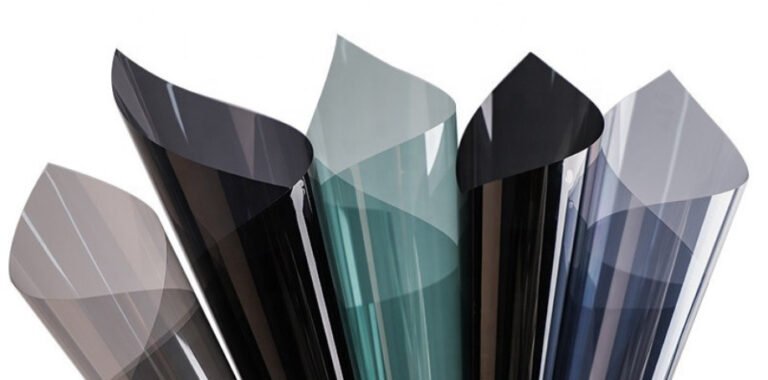
Most modern paint protection film is made from thermoplastic polyurethane (TPU) and is built in layers. From the paint outwards, there’s an adhesive layer, a thick TPU body that absorbs impacts, and a thin clear top coat that gives the film its gloss and takes the everyday wear.
On self-healing films, that top coat is made from an elastic polymer with a kind of shape memory. When something light scratches it, the surface is pushed out of shape rather than cut away. Add heat and the polymer relaxes back to its original flat state, and the mark disappears.
So the “healing” isn’t the film growing new material. It’s the surface returning to where it was before it was disturbed.
How much heat does it take?
Not much. On many films, a warm day is enough. Perth’s climate helps here, as a car parked in the sun for an hour or two over summer will often lose light wash marks without anyone touching it. In cooler months it can take longer, or a little help from warm water.
Installers sometimes use a heat gun on fresh marks, but that’s a job for someone who knows the film. Too much heat in one spot can damage the top coat or the paint underneath.
What can self-healing PPF fix, and what can’t it?
This is the part most worth understanding before you buy:
| Type of damage | Will it heal? | What to expect |
|---|---|---|
| Fine swirls from washing | Yes, usually | Fade with sun or warm water |
| Fingernail marks around door handles | Usually | Light marks disappear; heavier ones may soften |
| Light scratches from branches or brushes | Often partly | Shallow marks heal; deeper ones may remain |
| Stone chip impact | The film protects the paint | A dent in the film may relax, but a hole won’t close |
| Deep cut through the film | No | The film on that panel needs replacing |
| Etching from droppings left for days | Not reliably | Clean contamination off quickly |
| Scratches in the paint under the film | No | These need correcting before film goes on |
The key point is that self-healing works on the surface of the film. Its bigger job, stopping stones and grit from reaching your paint, comes from the thickness of the TPU body underneath, not from the healing top coat.
Why does the paint need to be right before film goes on?
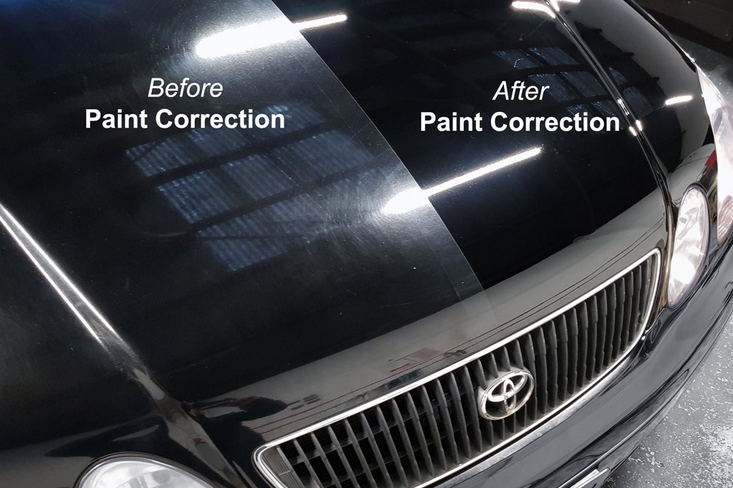
Film is clear, so whatever is on the paint underneath stays visible. If the car has swirls, light scratches or water spot etching when the film is applied, those marks are sealed in for the life of the film. No amount of heat will fix them, because they’re in the paint, not the film.
That’s why many owners have paint correction done first on any car that isn’t brand new. It removes defects within the clear coat in three stages (cut, polish and finish), typically over one to three days, so the film goes onto a clean, glossy surface.
Does self-healing wear off over time?
The top coat does age. Years of UV, heat, road grime and harsh chemicals can gradually reduce how well it recovers and how glossy it looks. Keeping the film clean and avoiding strong solvents goes a long way. If you’re wondering how film holds up in our sun, our article on whether PPF turns yellow covers the main causes of ageing.
How can you help PPF heal at home?
A few simple habits make a real difference:
- Park the car in the sun for a while after washing if you’ve noticed fine marks.
- Pour warm (not boiling) water over a marked area and give it a few minutes.
- Wash with a pH-neutral shampoo and a soft microfibre mitt.
- Don’t use cutting compounds or abrasive polishes on film. They can damage the top coat.
- Don’t hold a hair dryer or heat gun close to the film yourself.
- Clean bird droppings and bug splatter off quickly rather than letting them bake on.
Is self-healing PPF the same as a ceramic coating?
No, and they solve different problems. Film is a thick physical barrier against chips and scratches. A ceramic coating is a very thin, hard, slick layer that makes the car easier to clean and adds gloss and chemical resistance, but it won’t stop a stone chip. Our comparison of PPF vs ceramic coating goes through which suits which driver.
Trident installs Terminax paint protection film, including full-body and matte PPF. Because self-healing performance varies between films, it’s worth checking the product details for the specific film quoted for your car.
Frequently asked questions
How long does PPF take to heal a scratch?
Light marks can vanish within minutes in strong sun. Others take a few hours or need warm water. Deeper marks may only partly fade.
Will PPF still heal in winter?
Yes, but more slowly. Without much warmth, marks can linger until a sunny day or a warm-water rinse.
Can I polish a scratch out of PPF?
It’s best not to. Abrasive polishes can damage the top coat. Try heat first, and if the mark stays, have the film looked at.
Does self-healing mean the car can’t get chipped?
No. The film absorbs stone impacts so the paint underneath is protected, but a hard enough hit can still mark or pierce the film itself.
Talk to us about paint protection film
To discuss film for your car, visit 45 Berriman Drive, Wangara or Unit 6/1780 Albany Highway, Kenwick, or call 0482 689 885 for a quote.