Quality paint protection film is built to last for years, not months, and many premium films are rated by their makers at somewhere around five to ten years. How long yours actually lasts depends on the film itself, how well it was fitted, how much sun the car sees and how it’s washed.
That range is wide for a reason. Two cars with the same film can age very differently if one lives in a garage in Mount Lawley and the other sits on a driveway in full sun all day. Below, we look at what wears film out, how Perth conditions play into it, and how to tell when film has reached the end of its useful life.
What is PPF made of, and why does that matter?
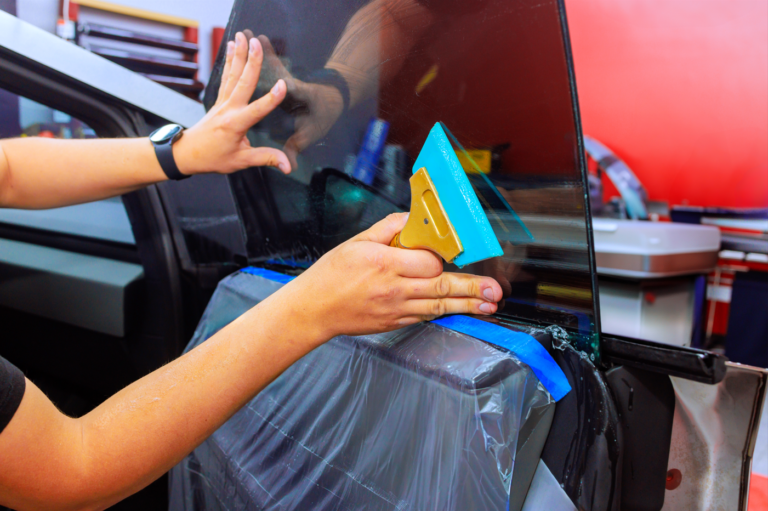
Modern paint protection film is a clear (or satin) layer of thermoplastic polyurethane, usually called TPU, with an adhesive underneath and a protective topcoat on the surface. The TPU is thick and flexible enough to absorb stone chips, sand blasting and light scrapes that would otherwise mark the paint.
The type of material makes a big difference to lifespan. Older and cheaper films were often made from PVC-based plastics that stiffened, cracked and discoloured within a few years of strong sun. TPU is far more stable, which is why quality films are now expected to stay clear and flexible for much longer.
Trident installs Terminax PPF, including full-body and matte film. You can see the options on the paint protection film page.
What affects how long PPF lasts?
Sun exposure
UV is the biggest long-term stress on any film. Horizontal panels such as the bonnet, roof and boot lid cop the most direct sun, so they tend to age first. A car parked undercover most of the day will usually keep its film looking fresh for longer than one parked outside.
Installation quality
Film lasts longest when it’s applied to clean, decontaminated paint, with edges wrapped or finished neatly so they don’t catch. Edges are where problems usually start: dirt and water get under a lifted corner, and the lift slowly spreads.
How the car is washed
Harsh chemicals, stiff brushes and a pressure washer held too close to an edge all shorten film life. Automatic car washes are hard on film edges as well as paint.
What the car is exposed to
Bird droppings, tree sap, bug splatter and road tar can stain the topcoat if they’re left to bake on. Salt air near the coast and red dust on country trips add extra grime that needs washing off regularly.
Film quality
Better films have more stable TPU, stronger UV inhibitors in the adhesive and a tougher topcoat. Warranty terms differ between brands and film lines, so check the written warranty for the specific film you’re getting.
How Perth conditions change the picture
| Perth factor | What it does to film | What helps |
|---|---|---|
| Long, hot summers with high UV | Ages the topcoat and adhesive, mostly on flat panels | Park undercover or in shade where you can |
| Bore water from reticulation | Leaves mineral spots that can etch the topcoat if left | Park away from sprinklers; rinse and dry marks quickly |
| Coastal salt air | Builds up a film of salt and grime | Regular rinsing with fresh water |
| Highway and country driving | Stone chips and sand blasting on the front end | This is the job PPF does best; inspect the front edges now and then |
| Fine summer dust | Dry wiping grinds grit into the surface | Rinse before you wash; never wipe a dusty car dry |
The good news is that most of these are managed by simple habits rather than anything expensive.
How can you make PPF last longer?
- Wash regularly with a pH-neutral shampoo. Gentle products clean the film without attacking the topcoat or adhesive.
- Use the two-bucket method and a soft wash mitt. This stops grit from being dragged across the surface.
- Keep the pressure washer back from the edges. Spraying straight into an edge at close range is one of the most common ways film starts to lift.
- Remove droppings, sap and bugs quickly. Soak them with water or a dedicated cleaner rather than scrubbing.
- Skip the automatic car wash. Hand washing is much kinder to film.
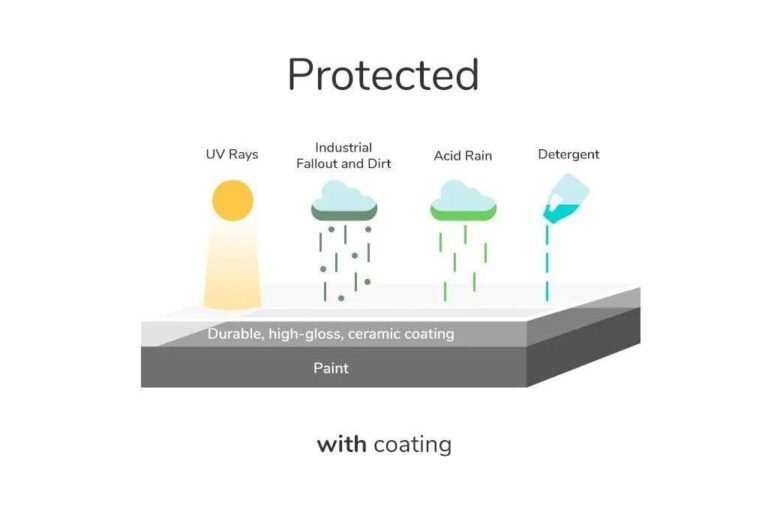
- Consider a ceramic coating on top. A coating over PPF makes the surface slicker, so dirt and water slide off more easily. Trident offers 5-year and 10-year coatings, detailed on the ceramic coating Perth page.
If your film is brand new, the first few weeks have their own rules. Our PPF aftercare guide covers that settling-in period.
Signs your PPF is near the end of its life
Film rarely fails all at once. These are the signs that it’s wearing out rather than just dirty:
- Edges lifting, peeling or collecting a dark line of dirt that won’t wash out.
- A hazy, cloudy or slightly textured look in direct sun.
- Small cracks, especially on the bonnet and front bumper.
- Stains that stay after a proper wash.
- Light scratches that no longer fade away with warmth, on film that used to self-heal.
- A yellow or amber tinge, most obvious on white and silver cars.
Discolouration has its own causes, and we’ve covered them in detail in does PPF turn yellow?
What happens when it’s time to replace PPF?
Old film is peeled off, any leftover adhesive is cleaned away, and the paint is checked before new film goes on. Paint that has been under film is usually in good condition, but the edges of the old film can leave a faint line where the uncovered paint has aged in the sun. Light marks in the clear coat can often be improved with paint correction, which removes defects within the clear coat only, before the new film is applied.
Removing very old, brittle film is slower and needs more care, because it tends to break into small pieces rather than coming off in one sheet.
Frequently asked questions
Does PPF last longer than a ceramic coating?
They do different jobs, so lifespan isn’t the only thing to compare. PPF is a thick physical layer for stone chips and scrapes; a coating is a thin chemical layer for gloss and easy cleaning. Many owners use both.
Will PPF last as long on a car that’s parked outside?
It can still last for years, but constant sun ages film faster, especially on the bonnet and roof. Shade and regular washing make the biggest difference.
Can old PPF be removed without damaging paint?
On healthy factory paint, film usually comes off cleanly when it’s removed properly with gentle heat. Resprayed or already damaged paint carries more risk.
Does matte PPF wear out faster than gloss?
Not necessarily, but it needs matte-safe products. Waxes and polishes can leave a patchy shine on a satin finish.
Talk to Trident about PPF
To see film on real cars, browse our work. For a quote, visit 45 Berriman Drive, Wangara or Unit 6/1780 Albany Highway, Kenwick, or call 0482 689 885.