Headlights turn yellow or cloudy because the clear polycarbonate lens loses its factory UV coating and then oxidises in the sun. In most cases the lenses do not need replacing: restoration removes the yellowing, haze and oxidation, and a UV sealant helps keep them clear for longer.
Yellow, foggy headlights make a car look older than it is, and they also reduce how well you see at night. Perth’s strong UV makes the problem show up sooner than many owners expect. The good news is that it is usually fixable. Here is why it happens and what to do about it.
Why do headlights turn yellow or cloudy?
Modern headlight lenses are made of polycarbonate plastic rather than glass. Manufacturers apply a clear protective coating at the factory, but it does not last forever. Once it wears away, the plastic underneath is exposed.
- **UV exposure:** sunlight breaks down the coating, then the plastic itself, causing yellowing.
- **Heat:** hot lenses, sitting next to hot bulbs and a hot engine bay, speed up the ageing.
- **Road grit and stone chips:** tiny pits scatter light and look like haze.
- **Harsh chemicals and abrasive washing:** these strip what protection is left.
- **Moisture:** water inside a lens usually points to a failed seal, which is a different problem.
Does Perth’s climate make it worse?
It does. Long, sunny summers mean lenses cook for months, and cars parked outside all day get the most exposure. Cars kept in a garage or under cover tend to hold clear lenses for longer. That is one reason we often see headlight oxidation on vehicles that are otherwise in great condition.
Are yellow headlights dangerous?
They can be. Hazy lenses scatter and absorb light, so less of it reaches the road ahead. Oncoming drivers can also be hit with more glare because the beam is no longer focused properly. A properly restored headlight can bring back up to 90% of light output, which is a real difference on dark suburban roads or the freeway at night.
What are the fixes?
| Fix | What it does | Good for |
|---|---|---|
| Professional restoration | Removes yellowing, haze and oxidation, then reseals | Most yellowed or hazy lenses |
| UV sealant or ceramic coating | Protects the restored surface | Making results last |
| Lens replacement | New lens or headlight unit | Cracked or badly damaged lenses |
| DIY kits and home remedies | Temporary clean-up at best | Short-term tidy-ups |
What does professional headlight restoration involve?
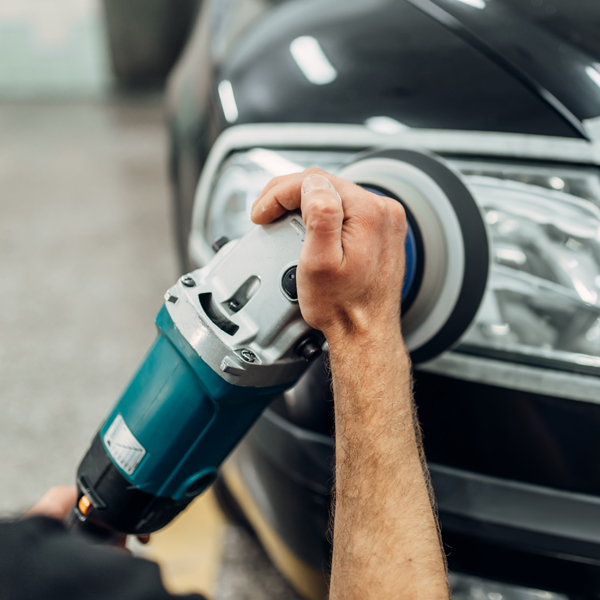
In simple terms, the damaged outer layer of the lens is carefully removed, the surface is refined until it is clear again, and a protective layer is applied. Our headlight restoration service removes yellowing, haze and oxidation and can restore up to 90% of the light output.
How long do restored headlights stay clear?
A restoration typically lasts one to three years. It lasts longer when a UV sealant or ceramic coating is applied afterwards, because the lens has its UV protection back. Parking in shade and washing gently also help.
What about toothpaste and other home fixes?
You will see videos online using toothpaste, baking soda or cutting compound. These can make a lens look better for a few weeks because they polish the surface, but they do not put UV protection back. The yellowing tends to return quickly, sometimes worse than before.
When do headlights need replacing instead?
Restoration cannot fix everything. Lenses that are cracked, have deep damage, or have failed internal seals letting in moisture usually need replacing. If you are unsure which category yours falls into, we will tell you honestly. For a deeper look at the cost side of this decision, see our guide to headlight restoration versus new headlights.
How do you keep headlights clear for longer?
- Park in shade or a garage where possible.
- Wash with a pH-neutral shampoo and a soft microfibre cloth.
- Avoid harsh solvents and abrasive scrubbers on the lenses.
- Ask about a UV sealant or ceramic coating after restoration.
Protecting the lenses fits well with the rest of your car’s care. If you are also thinking about your paint, our paint correction service can improve gloss at the same visit, and our ceramic coating guide explains long-term protection. Window tint is another sensible companion, covered on our window tinting page.
Why not just replace the headlights straight away?
Replacement is sometimes presented as the only answer, but it is rarely necessary for yellowing alone. A new unit can be an expensive part, and it will face the same Perth sun and eventually age the same way. Restoring what you already have, then protecting it, is usually the better value. It also keeps your original lens fitting and alignment exactly as the factory intended.
How often should I check my headlights?
Look at them in daylight every few months. Early haze is easiest to deal with, and catching it before it becomes deep oxidation means a cleaner result.
Frequently asked questions
Can cloudy headlights be fixed without replacing them?
Usually, yes. Yellowing, haze and oxidation can be removed. Only cracked or badly damaged lenses need replacing.
Will the yellowing come back?
Over time it can, because UV keeps working on the plastic. A UV sealant or ceramic coating slows this down considerably.
Does restoration make the lights brighter?
It can restore up to 90% of the lost light output, so they work much closer to how they did when new.
Is the inside of the lens affected?
Most yellowing is on the outside surface and can be treated. Moisture or fogging inside usually means a seal problem.
Get your headlights checked
Bring your car to 45 Berriman Drive, Wangara or Unit 6/1780 Albany Highway, Kenwick, or call 0482 689 885 and we will take a look. You can also send us a message.