Protecting a new car in Perth usually comes down to three treatments that do different jobs. Window tint keeps heat and UV out of the cabin. Paint protection film (PPF) is a physical layer that takes stone chips and scratches. Ceramic coating adds gloss, makes washing easier and resists stains. Most owners choose based on how and where they drive.
Picking up a new car is the best time to think about protection, because the paint, glass and interior are as good as they will ever be. The catch is that dealers, forums and friends all talk about these products as if they were interchangeable. They are not. This guide explains what each one actually does, the order they go on in, and how to decide what your car needs.
What does each treatment protect?
The simplest way to see the difference is to look at what each product is up against. Perth throws a particular mix at a car: strong sun most of the year, hot cabins in summer, freeway driving with stones off trucks, and plenty of bird droppings and tree sap in suburban streets.
| Treatment | What it protects | What it handles well | What it won’t do |
|---|---|---|---|
| Window tint | Cabin, occupants, dashboard and seats | Heat build-up, glare and UV that fades interior trim | Protect paint or glass from chips |
| Paint protection film | Painted panels it covers | Stone chips, light scratches, scuffs from bags and keys | Stop UV and heat inside the cabin |
| Ceramic coating | Paint, and other surfaces it is applied to | Gloss, water beading, easier washing, resistance to bird droppings and sap | Stop a stone from chipping the paint |
| Leather coating | Leather seats and trim | Spills, dye transfer from jeans, everyday grime | Repair leather that is already cracked |
Seen side by side, the overlap is smaller than people expect. Tint looks after the inside of the car. PPF and ceramic coating both look after the paint, but in different ways, which is why they are often used together rather than as alternatives.
Do you need all three?
Not necessarily. It depends on the car, how long you plan to keep it, and the kind of driving you do. A few common Perth situations show how the priorities shift:
- Daily commuter on the Mitchell or Kwinana Freeway. Stones thrown up at freeway speed are the main threat to the bonnet, bumper and mirrors. PPF on those front-facing areas does the heavy lifting, and tint makes the drive home on a 38-degree afternoon more bearable.
- Family SUV parked outside at school pick-up and sport. Hours in the sun make tint the priority, both for the kids in the back and for the interior plastics. A ceramic coating helps the paint shrug off sap, dust and bird droppings between washes.
- Dark-coloured car kept in a garage. Dark paint shows swirl marks from washing more than anything else. A ceramic coating makes it easier to clean without dragging dirt across the surface.
- Ute or 4WD that heads up north or onto gravel. PPF on high-impact areas, plus tint for long hot days on the road, tends to matter more than outright gloss.
If your budget only stretches to one treatment for now, think about which problem would annoy you most in two years: a chipped bonnet, a hot cabin with a faded dash, or paint that is hard to keep clean. Start there.
Which order do they go on in?
When more than one treatment is planned, the order matters because each product needs a clean, properly prepared surface.
- Paint inspection and any correction. New cars are not always flawless. Marks from transport, dealer washing or storage can be sitting in the clear coat. Anything trapped under film or coating stays there, so the paint should be checked first and, if needed, corrected.
- Paint protection film. PPF is applied to the bare, clean paint on the panels being covered.
- Ceramic coating. The coating goes on afterwards, over the uncovered paint and, where suitable, over the film as well.
- Window tint and interior coatings. Tint goes on the inside of the glass, so it is independent of the exterior work. Leather protection can be applied at any stage.
What is the difference between PPF and ceramic coating on a new car?
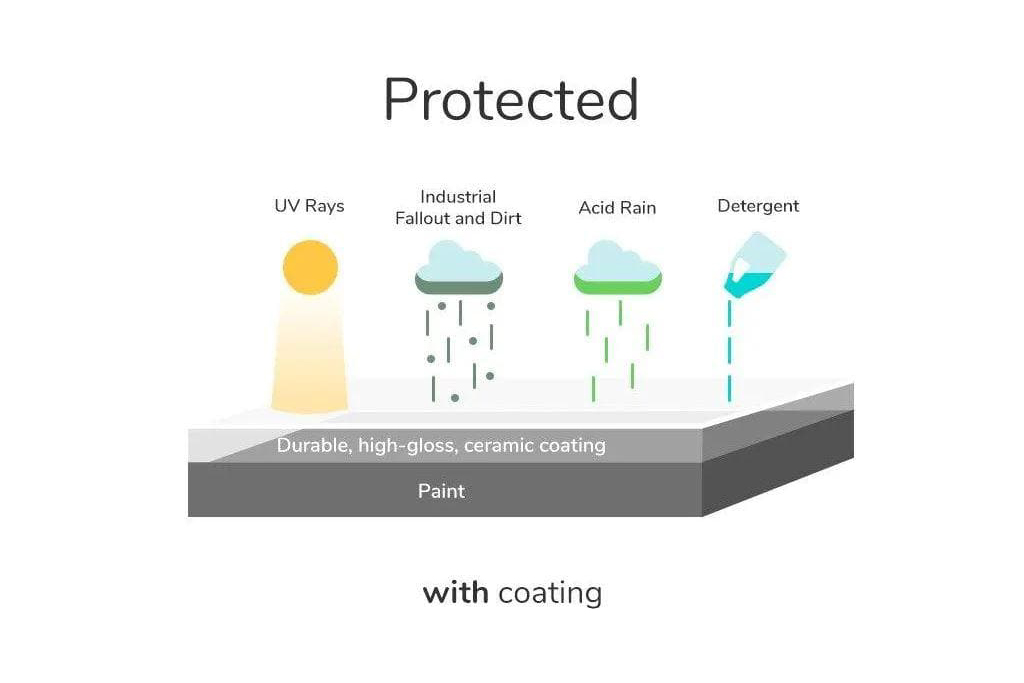
This is the question that trips up most new owners. PPF is a thick, clear urethane film that physically absorbs impacts. A ceramic coating is a very thin, hard layer that bonds to the surface and changes how it behaves, so water beads and contaminants struggle to stick. One is armour, the other is a slick finish. For a deeper comparison, read our guide to PPF vs ceramic coating.
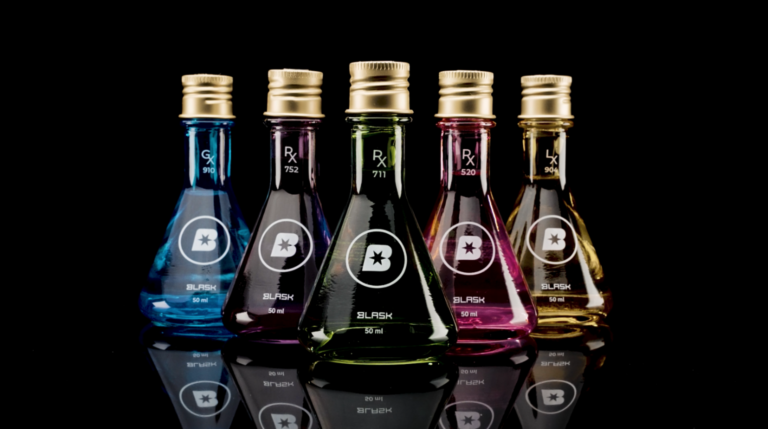
Trident installs Terminax paint protection film, including full-body and matte PPF, and applies Blask ceramic coatings with 5-year and 10-year options through its ceramic coating service.
How do you choose window tint for a new car?
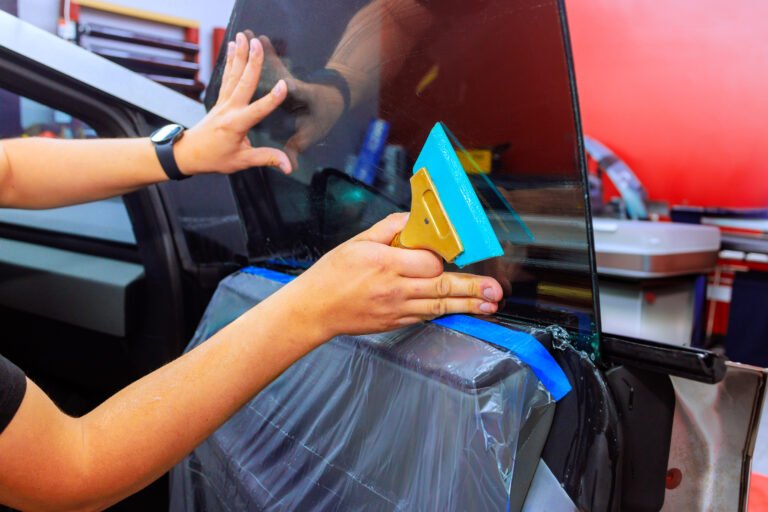
Most new cars come with clear front glass and, on many SUVs, darker factory privacy glass in the rear. When you add film, the legal limit is measured through the glass and film together. In WA, the front side windows need at least 35% visible light transmission, and the rear side windows and rear windscreen can go down to 20% when the vehicle has exterior mirrors on both sides. Film reflectance can’t exceed 10%, and only a band across the top of the windscreen can be tinted. These limits come from the WA Department of Transport window tinting bulletin (IB-119D).
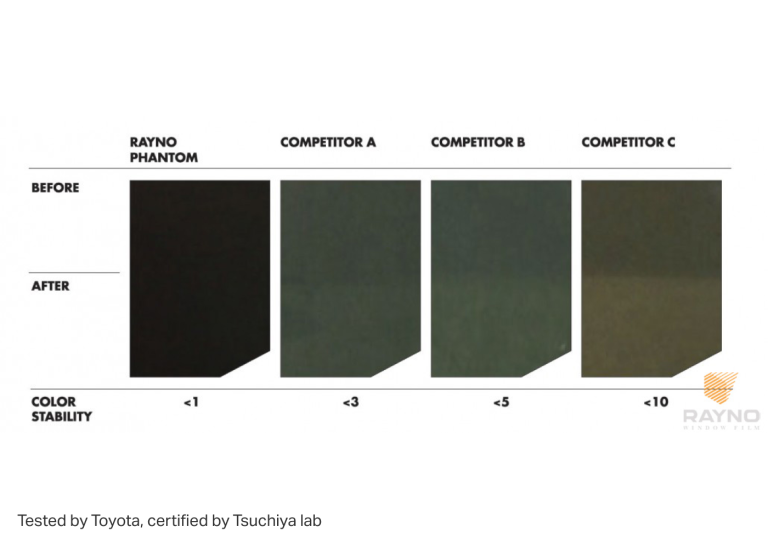
Film type matters as much as shade. The Rayno Phantom nano carbon ceramic film Trident fits comes in S5, S7 and S9 grades. They reject up to 99.9% of UV, with the S9 rejecting up to 93% of infrared heat. Because the film is dye-free and metal-free, it doesn’t interfere with phone and radio signals the way metallic films can, and it fades by less than 1%. See the window tinting page for the full range.
What about the inside of the car?
Leather and synthetic leather seats in a new car look great until the first spilt coffee or a pair of new jeans leaves a blue tinge on a light-coloured bolster. For interiors, Trident’s leather protection service uses Blask LX 904, a nano-ceramic coating for leather. Combined with tint keeping UV off the seats, it helps the interior age more slowly.
Things to check before you sign up for a dealer protection pack
Dealers often offer their own protection packages at the time of purchase. Some are excellent, some are vague. Whoever you go with, it pays to ask:
- Exactly which product is being applied, by brand and name?
- Which panels or surfaces are covered?
- How long is the warranty, and what does it actually cover?
- What aftercare is expected to keep the warranty valid?
- Can you see the paint before and after?
Frequently asked questions
How soon after buying should I protect my new car?
As early as practical. The longer a car is driven unprotected, the more chance it has to collect stone chips, wash marks and stains that then need correcting before film or coating goes on.
Can a ceramic coating go over PPF?
Yes. A coating over the film gives it the same easy-wash, water-beading finish as the rest of the paint, so the protected and unprotected panels behave the same way.
Will tint void my new car warranty?
Window film is applied to the inside of the glass and does not alter the vehicle’s mechanical or electrical systems. If you have concerns, check your manufacturer’s warranty booklet.
How long does window tinting take on a new car?
Most cars take 2-4 hours. Keep the windows up for 3-5 days afterwards while the film cures.
What affects the cost of protecting a new car?
The size of the car, how many panels are covered with PPF, the coating chosen, the tint film grade and whether any paint correction is needed. Every car is different, so the best way to know is to ask for a quote.
Protect your new car from day one
Trident Car Care has more than 13 years in the car care industry and workshops at 45 Berriman Drive, Wangara and Unit 6/1780 Albany Highway, Kenwick. Call 0482 689 885 or get in touch online to talk through tint, PPF and ceramic coating for your new car.