A light mist inside a headlight after rain, a car wash or a cold night is usually normal, because most headlights are vented and air carries moisture in. It should clear within a drive or two with the lights on. Water droplets, pooling or fog that never clears points to a failed seal, a crack or a missing cap.
The tricky part is that a cloudy headlight can have two very different causes. Haze on the outside of the lens is oxidation, and restoration can fix it. Moisture on the inside is a sealing problem, and polishing the outside won’t touch it. Working out which one you have is the first step.
Is the fog inside or outside the lens?
Start with a simple touch test on a cool, dry headlight:
- Run your fingertips over the lens. If it feels rough, chalky or slightly gritty, and looks yellow or milky, the problem is oxidation on the outer surface.
- Look for droplets or a misty film behind the plastic. If the outside feels smooth but you can see moisture inside, often near the top of the lamp, the problem is internal.
- Check after a drive. Internal mist that fades after a decent drive with the lights on is usually just normal condensation.
You can have both at once. An old, sun-damaged headlight can be oxidised on the outside and also let moisture in through a tired seal.
Why do headlights get condensation?
Most modern headlights aren’t completely airtight. They have small vents, often hidden behind rubber caps or tubes, so the lamp can breathe as it heats up and cools down. Without them, pressure changes would stress the seals.
That breathing lets in humid air. When the lens cools faster than the air inside, for example on a chilly Perth winter morning or straight after a cold-water wash on a warm day, the moisture condenses on the inside of the plastic. Once the lights warm the lamp, the moisture evaporates and vents back out. That cycle is normal and harmless.
When is headlight condensation a problem?
It’s worth acting when any of these show up:
| What you see | Likely cause | What usually fixes it |
|---|---|---|
| Light mist that clears after driving | Normal venting | Nothing needed |
| Mist that never fully clears | Blocked vent or a small seal leak | Check vents and caps; reseal if possible |
| Large droplets or streaks running down | Seal failure or a crack | Repair the seal or replace the headlight |
| Water pooling in the bottom of the lamp | Major leak, crack or missing cap | Usually replacement |
| Rust, stains or flaking on the reflector | Moisture sitting long term | Replacement, as reflector damage can’t be polished out |
| Bulbs or LEDs failing early | Water reaching electrical parts | Fix the leak first, then the electrics |
Persistent moisture matters because it doesn’t stay cosmetic. It can corrode connectors, damage the reflective coating that aims your light onto the road, and leave you with dimmer headlights at night.
What causes a headlight to leak?
The common culprits are fairly easy to check:
- A loose or missing back cap. After a bulb change, the dust cap on the back of the lamp is sometimes left off or not seated properly.
- Cracks and stone damage. A chip or crack in the lens, even a small one, is a direct path for water.
- A perished seal. The adhesive seal between the lens and the housing can break down with age and years of heat.
- Blocked vents. Dust, debris or a kinked vent tube stops the lamp from drying itself out.
- Accident repairs. A headlight that’s been knocked or refitted may not be sealing the way it should.
One thing to avoid is drilling holes in the lens or housing to “let it breathe”. It can let in more water and dust, and it makes a proper repair harder.
Can headlight restoration fix condensation?
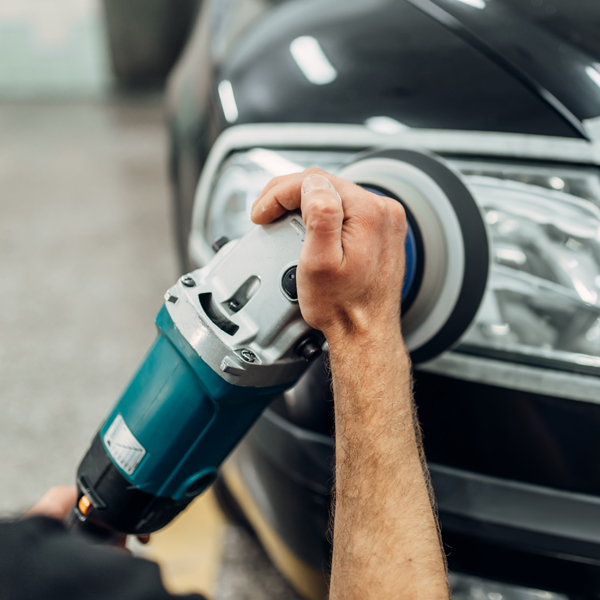
No. Headlight restoration works on the outside of the lens. It removes yellowing, haze and oxidation and can restore up to 90% of light output. It can’t reach moisture or damage inside the lamp.
What restoration can do is clear up the confusion. Once the outside is crisp and clear, it’s much easier to see whether there’s anything happening inside. If the lens is cracked or badly damaged, the headlight needs replacing rather than restoring. Our guide to yellow or cloudy headlights explains what causes outer haze and how it’s treated.
How do you stop it coming back?
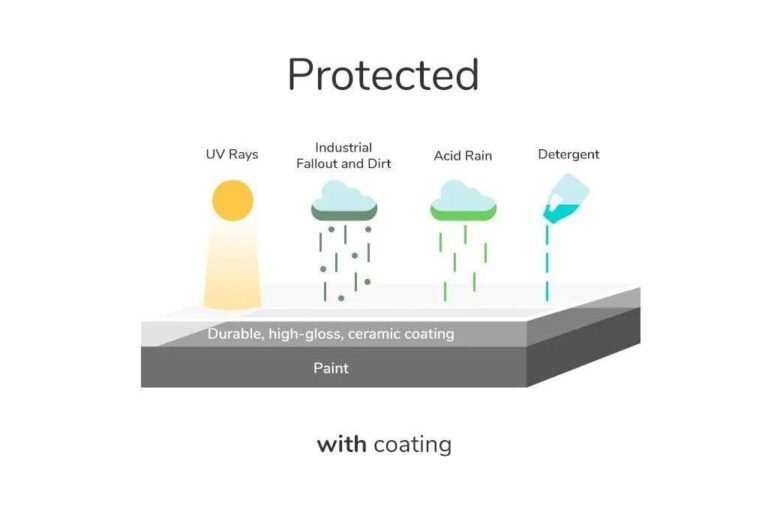
For normal condensation, there’s not much to do beyond making sure the vents stay clear. For outer haze, the answer is protection after restoration. A restored lens typically lasts 1 to 3 years, and longer when it’s sealed with a UV sealant or a ceramic coating, which helps shield the plastic from the Perth sun that caused the damage in the first place.
Frequently asked questions
Is it normal for new cars to have condensation in the headlights?
Yes, light misting can happen on new cars too, because many headlights are vented. It should clear after driving with the lights on.
Will condensation make my headlights dimmer?
A light mist has little effect, but ongoing moisture can damage the reflector and connections, which reduces light output over time.
Can I dry out a headlight myself?
Driving with the lights on often clears light mist. If water keeps coming back, find and fix the leak rather than just drying it.
Should I restore or replace a leaking headlight?
Restoration only treats the outer lens. A headlight with a crack, failed seal or damaged reflector usually needs replacing.
Get a headlight restoration quote
Browse our work to see recent jobs. To book a restoration, visit us at 45 Berriman Drive, Wangara or Unit 6/1780 Albany Highway, Kenwick, Monday to Friday 8am to 5pm and Saturday 8am to 2pm, or call 0482 689 885 for a quote.