Paint protection film is worth it in Perth if your car spends much of its time on freeways, highways or gravel, if you’ll keep it for years, or if the paint is expensive to repair. The film takes stone chips and scuffs so your paint doesn’t. If chips aren’t your main worry, it may be more than you need.
PPF is the most protective option for paint, and also the biggest upfront spend, so it deserves an honest look. This guide sets out what film actually does, where it earns its keep and where it doesn’t, so you can decide before you ask anyone for a quote.
What does PPF actually protect against?
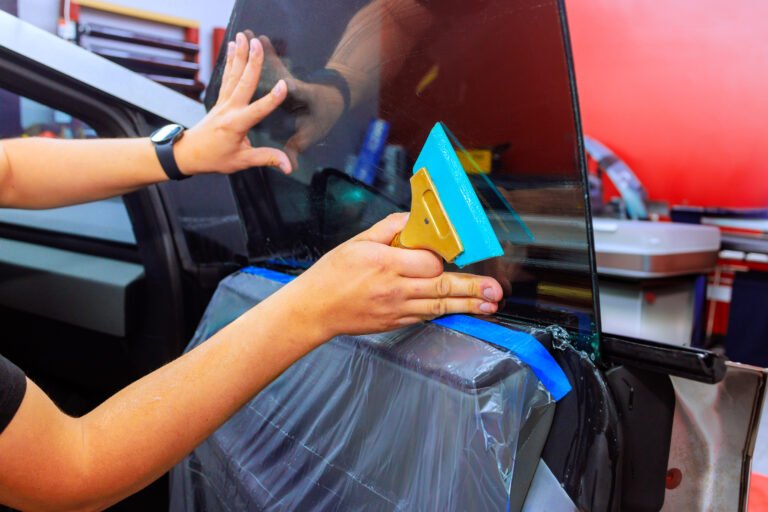
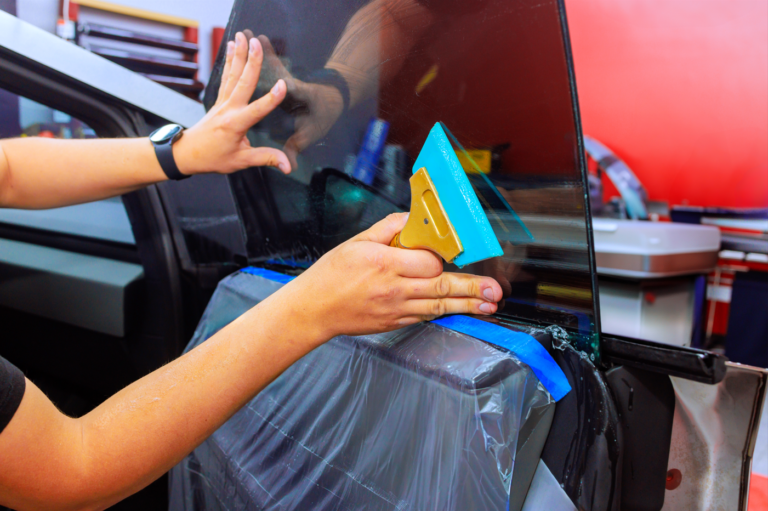
Paint protection film is a clear (or satin) urethane film, usually somewhere around 150 to 200 microns thick, applied over the painted panels. That thickness is the whole point. A ceramic coating is a hard chemical layer only a micron or two thick; film is a cushion that sits between your clear coat and whatever the road throws at it.
In everyday Perth driving, that cushion deals with:
- Stone chips flicked up by trucks and utes on the Kwinana and Mitchell Freeways, Tonkin Highway and long country runs
- Sand and grit blasting on the bonnet, bumper and mirrors, especially on coastal and outer-suburb roads
- Light scratches and scuffs from car park brushes, bags, keys and bike racks
- Staining and etching from bird droppings, bug splatter and tree sap baking in the sun
- UV exposure, which slowly dulls and oxidises unprotected paint
Many modern films also have a self-healing top layer, so fine swirls and light marks fade with warmth from the sun or warm water. Deep cuts that go through the film will not heal, but the paint underneath is usually untouched.
When is PPF worth the money?
The value of film depends far more on how you use the car than on the car itself. Run through these questions honestly:
- Do you do regular freeway or highway kilometres, or drive behind trucks often?
- Do you head down gravel roads, to the farm, or up north on long trips?
- Are you planning to keep the car for five years or more?
- Is the paint a colour or finish that is hard to touch up, such as a pearl, metallic or matte?
- Would a chipped bonnet genuinely bother you every time you walk up to the car?
If you answered yes to two or more, film is likely to pay off. If none of these apply, a car that mostly does short suburban trips and sleeps in a garage may be well served by a coating alone.
How do different drivers stack up?
| Driver | Is PPF worth it? | Why |
|---|---|---|
| Daily freeway commuter | Usually yes, at least the front end | Most chips land on the bumper, bonnet and mirrors at speed |
| Regional or touring driver | Yes | Gravel, road trains and long distances add up quickly |
| New car you plan to keep | Often yes | Protecting factory paint early avoids repairs later |
| Matte or special paint | Often yes | Matte paint can’t be polished, and some colours are hard to match |
| Short-trip, garaged car | Maybe not | A ceramic coating may cover what you actually need |
| Car you’ll sell within a year or two | Hard to justify | You may not keep it long enough to see the benefit |
What are the honest downsides?
Film is not perfect, and anyone weighing it up should know the trade-offs:
- It costs the most upfront. Film is a skilled, time-consuming install, and full coverage is a big job.
- It doesn’t fix existing damage. Chips and scratches already in the paint will still be visible under the film, so they need repairing or correcting first.
- Edges can sometimes be seen. On partial coverage you may notice where the film finishes on a panel if you look closely.
- It won’t stop everything. A large rock at highway speed or a deep key scratch can still get through.
- It still needs looking after. Gentle hand washing keeps film clear for longer, and harsh brushes and chemicals shorten its life.
None of these are reasons to avoid film, but they explain why it isn’t the default answer for every car.
Is it better to cover part of the car or the whole thing?
You don’t have to wrap the whole car to get value. Many owners start with the high-impact zones: the front bumper, bonnet, guards and mirrors. Door edges, door handle cups and the area behind the rear wheels are other common choices because they cop scratches and grit.
Full-body film suits owners who want every panel protected, cars with paint that is costly to repair, and anyone who wants the gloss to look even across the whole car. Our guide to full-body vs partial PPF goes through each coverage level in more detail.
How does PPF compare with ceramic coating for value?
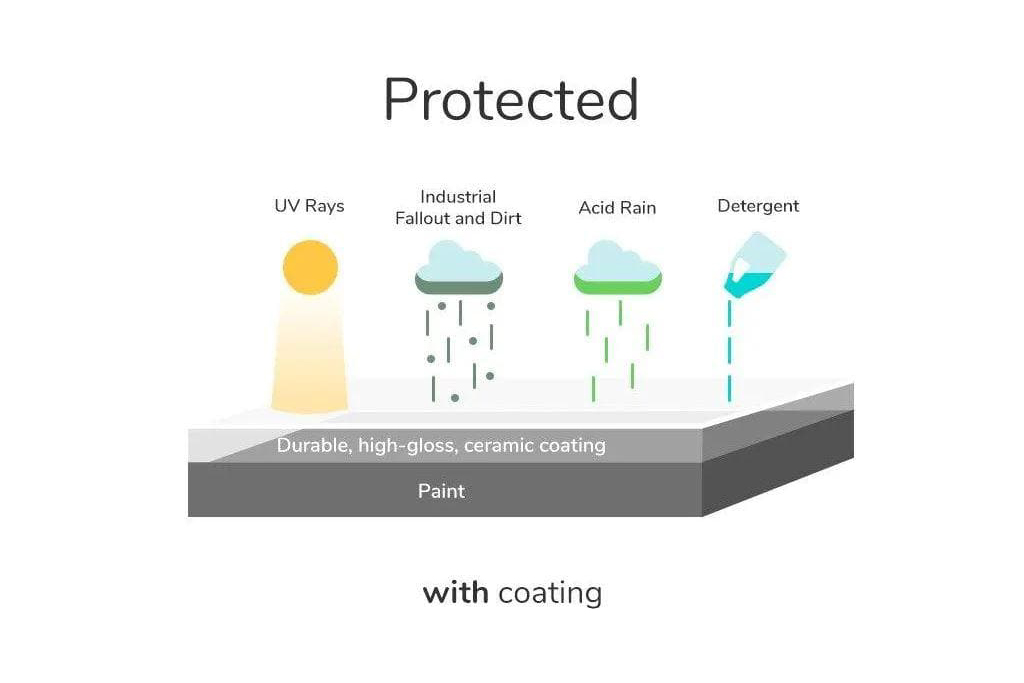
They solve different problems. Film handles physical impacts; a coating handles washing, water beading, UV and chemical stains, but it won’t stop a stone chip. If chips are your main concern, a coating alone will leave you disappointed. If you mostly want a car that stays glossy and washes easily, a coating may be all you need.
Plenty of owners combine the two, with film on the front end and a ceramic coating across the rest of the car. Trident installs Terminax paint protection film, including full-body and matte PPF, and offers 5-year and 10-year ceramic coatings.
What drives the cost of PPF?
Every quote depends on the car in front of the installer, but the main factors are much the same:
- How much of the car is covered, from a front-end package to full body
- The size and shape of the vehicle, with complex bumpers and vents taking longer
- Whether you choose gloss or matte film
- The condition of the paint, and whether it needs paint correction before the film goes on
- Whether you add a ceramic coating over the film
For an accurate figure, ask for a quote based on your car and the coverage you want. You can also see finished cars on our Our Work page, and read more about the film itself on the paint protection film page.
Frequently asked questions
Does PPF help resale value?
It can help by keeping the original factory paint free of chips and scratches, which buyers notice. It isn’t a guaranteed dollar return, but a clean bonnet and bumper do make a car easier to sell.
Can PPF be taken off later?
Yes. Quality film is designed to be removed at the end of its life, usually with gentle heat. Healthy factory paint generally comes away fine, while resprayed or already damaged paint carries more risk.
Is PPF worth it on a car that isn’t new?
It can be, as long as the paint is in good shape. Existing chips and swirls should be fixed first, because film protects paint as it is rather than hiding faults.
Does PPF protect the windscreen too?
No. Paint protection film goes on painted panels. Glass has its own product, such as Rayno Crystal Shield windscreen protection film, which goes on the outside of the windscreen and helps absorb stone impacts.
Thinking about PPF for your car?
For a quote on paint protection film, contact Trident Car Care with your car’s make and model and the coverage you have in mind. Visit us at 45 Berriman Drive, Wangara or Unit 6/1780 Albany Highway, Kenwick, or call 0482 689 885. Workshops are open Monday to Friday 8am to 5pm and Saturday 8am to 2pm.