Yes, you can usually tint, fit paint protection film to or ceramic coat a novated lease car, but read your lease agreement first. The financier owns the car until the lease ends, so their rules on modifications decide what’s allowed, and your provider can tell you whether the work can be added to the lease.
Novated leasing is a popular way for Perth workers to get into a new car, including EVs. Because the car arrives brand new and goes back on the market a few years later, how well it’s looked after matters more than many drivers realise. This guide covers what to check, which protection makes sense for a leased car, and the questions to ask before you book anything.
Who actually owns a novated lease car?
A novated lease is a three-way agreement between you, your employer and a finance company. Your employer pays the lease from your salary, but the finance company owns the car for the length of the term.
When the lease ends, you generally have three choices: pay the residual (the balloon amount) and keep the car, refinance the residual, or sell or trade it. If you sell or trade in, the car’s condition affects what it’s worth, and with it how much is left over once the residual is paid. That’s the practical reason protection matters on a leased car.
Can you add tint or paint protection to a leased car?
In most cases yes, because tint, film and coatings are cosmetic and don’t change how the car works. Still, check three things before you go ahead:
- **The modification clause:** some agreements require approval for any change to the vehicle, so confirm that tint and film are fine before booking.
- **Whether it can be included:** some providers allow accessories to be added to the finance when the car is first ordered, rather than paid for separately. How that’s treated for tax depends on the provider and your situation, so ask them directly.
- **Your end-of-term plan:** if you plan to keep the car, you’re protecting your own long-term asset. If you plan to sell it, you’re protecting its resale condition.
Which protection suits a leased car?
Each treatment does a different job, so it helps to match them to the risks your car actually faces.
| Treatment | What it protects | Why it matters on a lease |
|---|---|---|
| Window tint | The cabin, seats and dash from heat and UV | Keeps the interior from fading, and must stay WA-legal so it doesn’t put off a future buyer |
| Paint protection film | Paint on high-impact areas, or the whole car, from stone chips and scratches | Chips on the bonnet and bumper are among the most visible signs of wear |
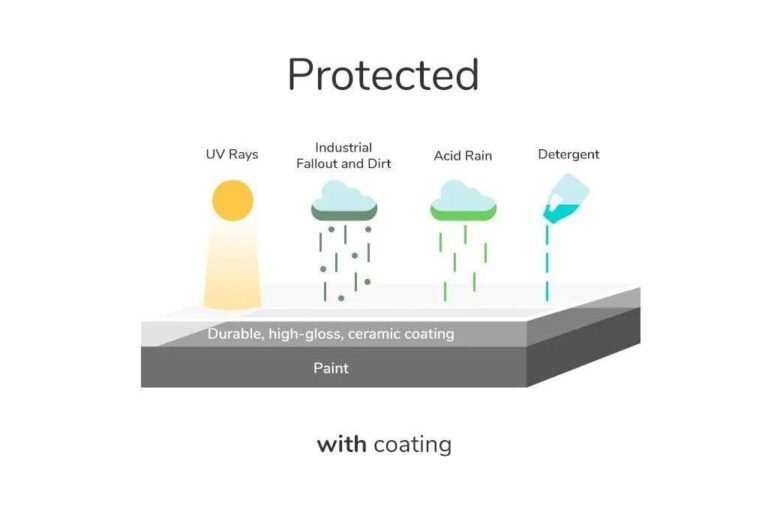
| Ceramic coating | Gloss, ease of washing, and resistance to UV and chemical staining | Helps paint look newer for longer, but doesn’t stop chips |
| Leather coating | Seats from stains, dye transfer and wear | Worn seats are hard to hide when the car is inspected for sale |
Window tint
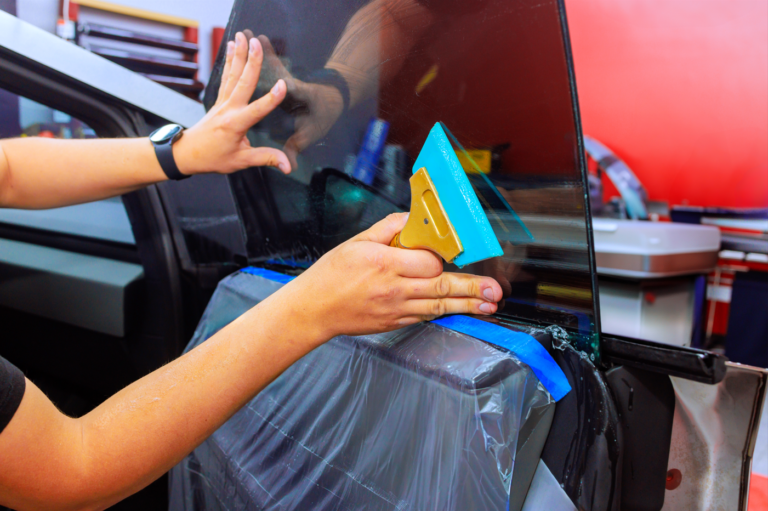
Trident fits Rayno Phantom nano carbon ceramic film, which rejects up to 99.9% of UV and is dye-free and metal-free, with fading under 1%. Keep it legal: in WA, front side windows need at least 35% VLT, and rear side windows and the rear windscreen at least 20%, provided the car has exterior mirrors on both sides, according to the WA Department of Transport. Illegal tint is a problem you’d have to fix before selling. Shades and films are explained on our window tinting page.
Paint protection film
Trident installs Terminax PPF, including full-body film. Because film covers the paint rather than changing it, it can be removed later by a professional. For a leased car that’s a useful kind of protection: it takes the chips so the original paint underneath doesn’t. See the options on our paint protection film page.
Ceramic coating
Trident offers 5-year and 10-year ceramic coatings. Coatings make a car easier to keep clean and help protect against sun, bird droppings and sap, but they aren’t a shield against stone chips. Details are on our ceramic coating Perth page.
How do you match protection to the length of your lease?
Novated leases commonly run from one to five years. A few practical ways to think about it:
- **Short lease, planning to sell:** focus on the areas buyers notice first, such as chips on the front end and a fresh-looking interior.
- **Longer lease, planning to sell:** a coating that lasts at least as long as the lease term means the protection is still working when the car is inspected.
- **Planning to pay the residual and keep it:** treat it like any car you own for the long haul, and consider protection that outlasts the lease.
Whichever way you go, the order of work matters if you’re doing more than one treatment. Our guide to new car protection in Perth explains how tint, PPF and coating fit together.
Questions to ask your lease provider first
Before booking anything, it’s worth getting answers to these:
- Do I need written approval to tint or fit paint protection film?
- Can the cost be included in the lease, and how does that work?
- What condition standard applies if I sell or trade in at the end?
- Is there anything about removable accessories I should know?
Frequently asked questions
Will window tint cause problems when I sell the car?
Not if it’s within WA limits and in good condition. Dark, illegal or bubbling film is what turns buyers away, and it may need removing before sale.
Is it worth protecting a car I don’t plan to keep?
It often is, because chips, stained seats and faded trim all show up when the car is valued. Protecting the car mostly comes down to keeping it closer to new when you hand it on.
How should I look after a ceramic coating during the lease?
Wash with a pH-neutral shampoo and avoid automatic car washes. Those two habits do the most to keep a coating working for its full life.
Does PPF have to come off at the end of the lease?
That depends on your agreement and what you plan to do at the end of the term. If you do want it removed, have a professional do it so the paint underneath isn’t damaged.
Protect your leased car
Talk to us about tint, PPF or ceramic coating for your new car. Visit 45 Berriman Drive, Wangara or Unit 6/1780 Albany Highway, Kenwick, or call 0482 689 885 for a quote.